Somewhere between sorting out GCSE revision, ferrying the kids around and tackling yet another pile of washing, it’s not unusual to reach the end of the day and fancy a glass of wine.
A little something to look forward to once everything’s finally done.
But then you hit your forties (or fifties) and suddenly that same glass of wine doesn’t seem to agree with you quite like it used to.
Maybe you’re waking up at 3am, absolutely boiling. Or you’ve had a couple of drinks on Saturday night and spend most of Sunday feeling anxious and a bit rubbish.
Sound familiar?
If you’re going through perimenopause or menopause, alcohol could be making some of those symptoms worse. And it’s something that’s worth knowing about, even if you’re not planning on giving up your evening glass of wine anytime soon.
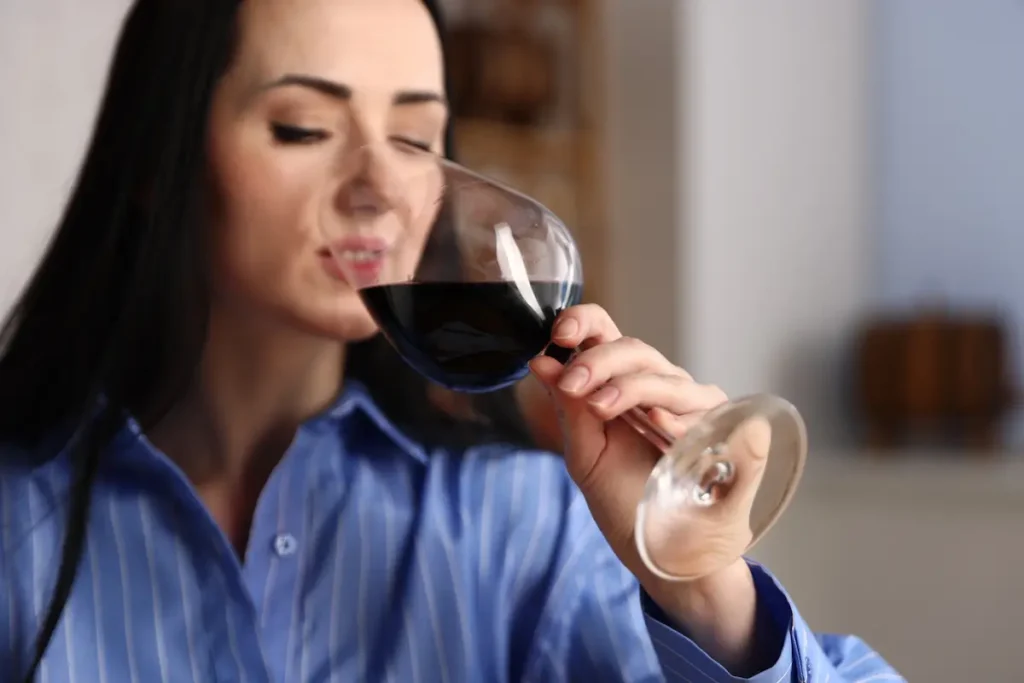
How alcohol can affect menopause symptoms
Hormones are already doing their own thing during perimenopause and menopause. Throw alcohol into the mix and sometimes it just makes everything feel that little bit harder.
The Menopause Charity has a useful guide on alcohol and menopause, and there are a few things worth being aware of.
Hot flushes and night sweats
As if waking up in a sweat wasn’t annoying enough, alcohol can sometimes make hot flushes worse. The NHS actually lists alcohol as a possible trigger, along with caffeine and spicy foods.
Not everyone will notice a difference, but if you find you’re particularly hot and bothered after a glass of wine, it might be worth seeing if there’s a connection.
Sleep
This is a big one. Especially when you’re already struggling to get a decent night’s sleep.
You might find a glass of wine helps you feel sleepy, but alcohol can interfere with the quality of your sleep. So even if you manage to drift off, you might still wake up feeling exhausted.
And when you’re already dealing with broken sleep thanks to menopause, that’s the last thing you need.
Mood and anxiety
Ever had that horrible anxious feeling the morning after a few drinks? Even when you’ve not done anything embarrassing or had that much to drink?
Alcohol can affect your mood and make feelings of anxiety worse. Add fluctuating hormones into the mix and it’s not always a great combination.
Headaches
Another annoying one. Some women find that even a small amount of alcohol can trigger a headache or make an existing one worse.
Bones and long-term health
This is probably the less obvious side of things.
As we get older, looking after our bones becomes increasingly important, particularly around menopause when falling oestrogen levels can affect bone strength.
Drinking too much alcohol can make things worse. Regular drinking also increases the risk of breast cancer, with the risk rising the more you drink. Heavy drinking can affect blood pressure and heart health too.
It’s not exactly cheerful reading, I know. But it’s worth being aware of.
What the guidelines say
According to the UK guidelines, both men and women are advised not to regularly drink more than 14 units of alcohol a week.
That works out at roughly six medium glasses of average-strength wine, spread across the whole week. The exact number depends on how strong your wine is, of course.
And you’re also advised to spread your drinking over several days and have some alcohol-free days.
When you think about a glass or two while cooking dinner, maybe another on Friday evening and then drinks with friends on Saturday, it’s surprisingly easy for those units to add up.
I’m not saying you need to count every sip. But it’s useful to know what you’re actually drinking.
Simple ways to drink a little less
You don’t necessarily need to give up alcohol completely. Sometimes making a few small changes is enough to notice whether it helps.
The Menopause Charity has some practical suggestions, and none of them need to be particularly complicated.
Notice when you’re drinking
Do you automatically pour a glass of wine when you start making dinner? Or reach for one as soon as the kids have gone upstairs?
Sometimes it’s just become part of the routine without us really thinking about it.
Keeping track for a week or two can help you spot those habits.
Have a few alcohol-free days
Rather than having a drink every evening, try picking a few nights when you don’t.
You might find you sleep better. Or maybe those night sweats aren’t quite as bad.
It’s worth experimenting to see what works for you.
Find something else you actually enjoy drinking
There’s no point swapping your favourite glass of wine for something you really don’t like.
But there are plenty of alternatives now. Alcohol-free wines, sparkling water with lime, or even a nice iced tea.
Sometimes it’s more about having that little evening ritual than the alcohol itself.
Don’t use alcohol to help you sleep
Easier said than done when you’re exhausted and just want to switch off.
But if you’re struggling with sleep, try something else first. Reading, a warm shower, listening to music or just getting away from your phone for a bit.
Look after yourself generally
I know, I know. Another reminder to eat well, exercise and get enough sleep!
But regular movement, a balanced diet and keeping a fairly consistent bedtime can help with menopause symptoms.
The NHS also recommends keeping your bedroom cool and wearing loose clothing if night sweats are causing problems.
When it’s about more than menopause
There’s also another side to this that’s worth talking about.
Midlife can be a lot.
You’ve got teenagers needing lifts everywhere, work, ageing parents, family responsibilities and then menopause decides to join in too.
It’s not hard to see why that glass of wine at the end of the day can start to feel like something you really need, rather than just something you fancy.
And sometimes it can creep up on you.
It might be worth getting some support if:
- You regularly end up drinking more than you meant to.
- You’ve tried cutting down but find it difficult.
- You’re relying on alcohol to help with stress, anxiety or sleep.
- You feel shaky, sweaty or anxious when you haven’t had a drink.
- Family or friends have mentioned they’re worried about your drinking.
There’s no shame in asking for help.
Your GP is a good place to start. They can help you look at both your menopause symptoms and your drinking, rather than treating them as two completely separate things.
If you think you might be physically dependent on alcohol, it’s important to get medical advice before stopping suddenly, as withdrawal can be dangerous.
There are different types of support available depending on what you need. That might be local community services, counselling or more structured treatment.
For example, in the US, centres such as Arrow Passage Recovery offer inpatient rehab for people who need more intensive support, alongside other treatment options. Here in the UK, your GP or local drug and alcohol service can point you towards what’s available.
You can also call Drinkline, the national alcohol helpline, on 0300 123 1110.
And if you’re struggling emotionally and need someone to talk to, Samaritans are available free, day or night, on 116 123.
Be kind to yourself
I think one of the hardest things about perimenopause and menopause is that something which never used to bother you suddenly does.
Your sleep changes. Your mood changes. Your body seems to have a mind of its own.
And sometimes even that innocent glass of wine on a Friday evening doesn’t feel quite so innocent the next morning.
It doesn’t mean you have to give up drinking altogether. But if you’re noticing that alcohol leaves you feeling worse than it used to, it might be worth cutting back for a while and seeing how you feel.
No guilt. No big rules.
Just figuring out what makes this stage of life a little bit easier.
Sources
- The Menopause Charity. Menopause and alcohol: tips to drink less and feel better (October 2025; review due October 2028). Menopause and alcohol.
- NHS. Lifestyle changes to make if you’re unable to take HRT (last reviewed 7 February 2023; review was due February 2026). NHS lifestyle advice.
- Derbyshire Healthcare NHS Foundation Trust. Drinkline – national alcohol helpline (checked October 2026). Drinkline information.
- Samaritans. Homepage (116 123, free, day or night; checked October 2026). Samaritans.
- Arrow Passage Recovery. Alcohol Addiction Treatment (client page; read October 2026). Alcohol Addiction Treatment.
This article is for general information and isn’t a substitute for medical advice. If you’re concerned about menopause symptoms or your alcohol intake, speak to your GP.