
Most smart home gadgets collect dust within a month. The upgrades that actually stick are the ones that solve small daily frustrations: the cold morning you wish the heat was already on, the parcel delivery you missed, the lights you forgot to turn off. These are not novelty purchases. They are practical tools that quietly improve how your home operates.
Daily Convenience Upgrades Worth Installing First
Smart thermostats are among the most immediately impactful changes you can make. Devices like these learn your daily schedule over time and begin adjusting temperatures automatically, warming the home before you wake, cooling it while you are at work. You stop thinking about the heating, and your energy bills tend to drop as a side effect. That combination of comfort and cost savings is rare in any home upgrade.
Video doorbells solve a real problem that most homeowners face regularly. A camera and two-way speaker mounted at your front door improve missed deliveries, unexpected visitors, and overall door security. The feed goes directly to your phone, so you can see and respond to whoever is at the door regardless of where you are in the house or even if you are away from home entirely.
Smart locks are a natural companion to a video doorbell. Keyless entry via a PIN code or smartphone app removes the need to carry a physical house key. You can also issue temporary access codes for guests or tradespeople and revoke them afterward. The daily convenience here is quiet but consistent: no more fumbling for keys when your hands are full, and no more wondering whether you locked up when you left.
Automation That Makes Your Home Work Around You
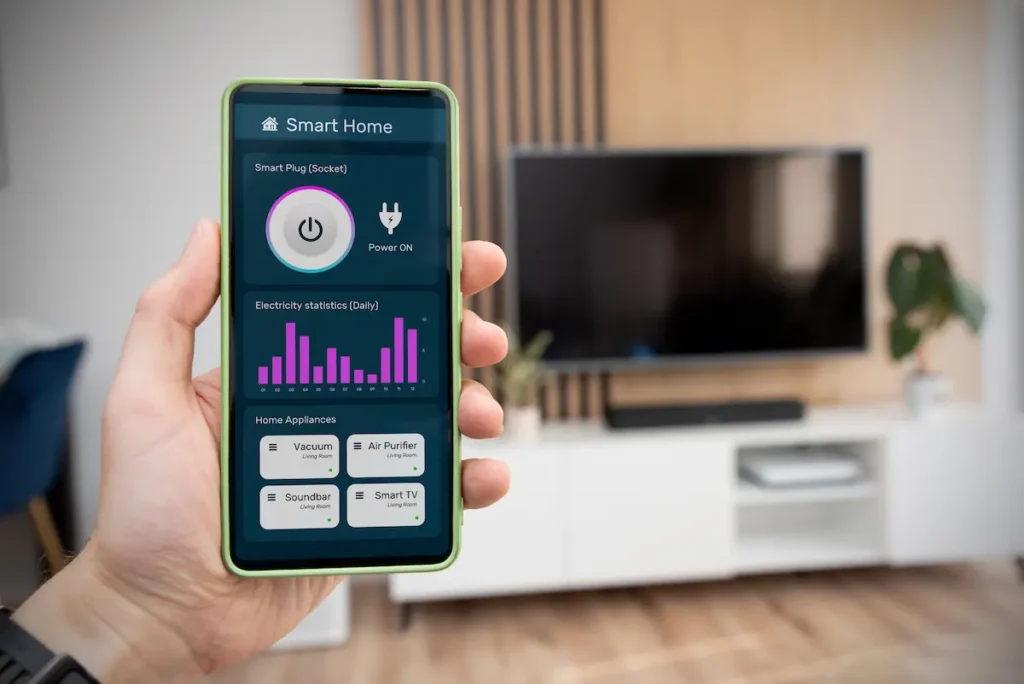
Smart lighting is one of those upgrades that becomes invisible once installed, which is exactly the point. Motion-activated lights mean hallways, bathrooms, and staircases illuminate the moment you enter them. Scheduled lighting turns off rooms you have forgotten about and can simulate occupancy when you are away. The practical result is that you stop thinking about light switches entirely, which sounds minor until you realize how often you used to think about them.
A reliable home network is what makes all of this work. Most smart devices require a stable connection with both 2.4 GHz and 5 GHz bands, and homes with multiple active cameras or streaming devices should have internet speeds of at least 5 to 10 Mbps per device running simultaneously. Most modern homes already meet this threshold, but it is worth confirming before adding several smart devices at once.
That same internet connection powers far more than smart home devices. Streaming, remote work, video calls, and online hobbies all depend on it daily. Gaming in particular has grown across all age groups, and a strong connection is non-negotiable for anyone playing online. Bingo has also made a significant shift to online platforms, with options like MrQ bingo making it straightforward to join a game from home without any additional setup. When your home network is solid, every online activity, from work to leisure, simply performs better.
Smart Security Beyond the Front Door
Indoor and outdoor cameras have become significantly more affordable and easier to install than they were even five years ago. Modern options offer high-definition footage, night vision, and motion-triggered alerts directly to your phone. Some integrate with video doorbells and smart locks to create a unified view of your property. The value here is not just security, it is the peace of mind that comes from being able to check in on your home from anywhere.
Smoke and carbon monoxide detectors are easy to overlook when planning smart home upgrades, but smart versions offer real advantages. They send phone alerts when triggered, which matters if you are asleep or away. Some models also self-test and notify you when batteries run low, removing the guesswork that comes with traditional detectors. These are low-cost additions that carry genuine weight in terms of safety.
Smart sensors on windows and doors add another layer of awareness. These small devices alert you if a window or door opens unexpectedly, which helps with security and practical needs, like knowing whether a door has been left ajar on a cold day. Combined with a camera system and smart lock, they create a reasonably comprehensive home monitoring setup without professional installation.
How to Prioritise Your Upgrades
The best starting point is whichever daily frustration annoys you most. Cold mornings point toward a smart thermostat. Missed deliveries suggest a video doorbell. Poor sleep due to morning light means motorized blinds. Beginning with a single, high-impact upgrade lets you assess real-world performance before committing to a wider system.
Compatibility matters more as your setup grows. Most major smart home devices now work within one of a few ecosystems: Google Home, Amazon Alexa, or Apple HomeKit. Choosing devices within the same ecosystem from the start saves significant frustration later when you want devices to work together automatically.
Budget discipline also helps. Smart home upgrades can expand quickly once you see what is available, but the devices that offer the most daily value are usually the simplest ones: thermostats, doorbells, locks, and lighting. Start there, get the network right, and add complexity only once the fundamentals are working well.