

Resilience is one of the most valuable things you can help your child build. It is not about shielding them from difficulty but about giving them the tools to face it, learn from it, and come back stronger. The good news is that resilience is not fixed or innate. It grows, steadily, through the ordinary moments of family life.
What Resilience Actually Looks Like
Resilient children still feel disappointment, frustration, and anxiety. What sets them apart is their ability to sit with those feelings without being overwhelmed. They ask for help. They try again. Resilience shows up in small ways: the child who loses a game and wants a rematch, the one who struggles with a maths problem and keeps going anyway.
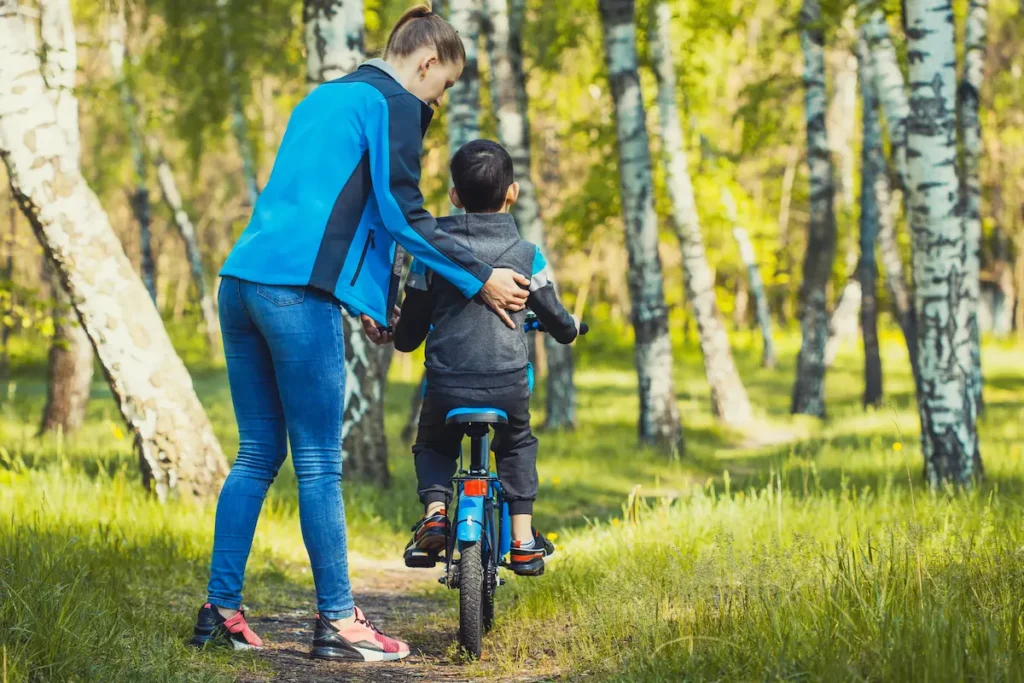
Let Them Struggle (A Little)
It can be genuinely hard to watch your child find something difficult. The instinct to step in and fix it is completely understandable. But working through manageable challenges builds confidence and persistence. The key word is manageable. You are not looking to overwhelm them, simply to resist smoothing every bump before they have had a chance to navigate it themselves.
Praise Effort, Not Outcome
The language we use around success and failure matters enormously. When children are praised for working hard rather than for being clever or talented, they learn that effort is the route to progress. Try swapping ‘You’re so smart!’ for ‘You really stuck at that, didn’t you?’ Over time, children internalise this and begin to talk to themselves in the same encouraging way.
Connection Is the Bedrock
Children who have at least one stable, loving relationship with a trusted adult are significantly better equipped to handle adversity. Schools that genuinely invest in pastoral care play a critical role here. Families choosing a nurturing environment like Barrow Hills often find that a strong pastoral structure provides exactly the kind of consistent, attentive support that builds resilience over time.
Model It Yourself
Perhaps the most powerful thing you can do is let your child see you being resilient. Talk out loud about how you handle a stressful day. Admit when something did not go to plan. Children absorb everything. When they see an adult model calm problem-solving and self-compassion, they learn that these are normal parts of life, not signs of weakness. Find out more at https://www.barrowhills.org/.
About the Partner: Barrow Hills is an independent Catholic preparatory school in Surrey nurturing children aged 2 to 13. Celebrated for its warm pastoral care, beautiful rural setting, and strong academic foundations, Barrow Hills places the development of the whole child at the heart of everything it does.