

Time management is one of those skills that adults wish someone had properly taught them, and that most of us are still refining decades later. The good news is that the foundations can be laid in childhood, and they do not require military scheduling or colour-coded wall planners, though those are not necessarily a bad idea either.
Start With Clocks, Not Schedules
Children cannot manage time they cannot measure. Before worrying about planning, make sure your child has a genuine understanding of how long things actually take. Five minutes, twenty minutes, an hour: these are abstractions until you practise them. Time a few regular activities together. ‘Getting ready took seventeen minutes. If we need to leave at eight thirty, what time should we start?’ This kind of practical, concrete maths is more useful than any planner.
Break Tasks Into Pieces
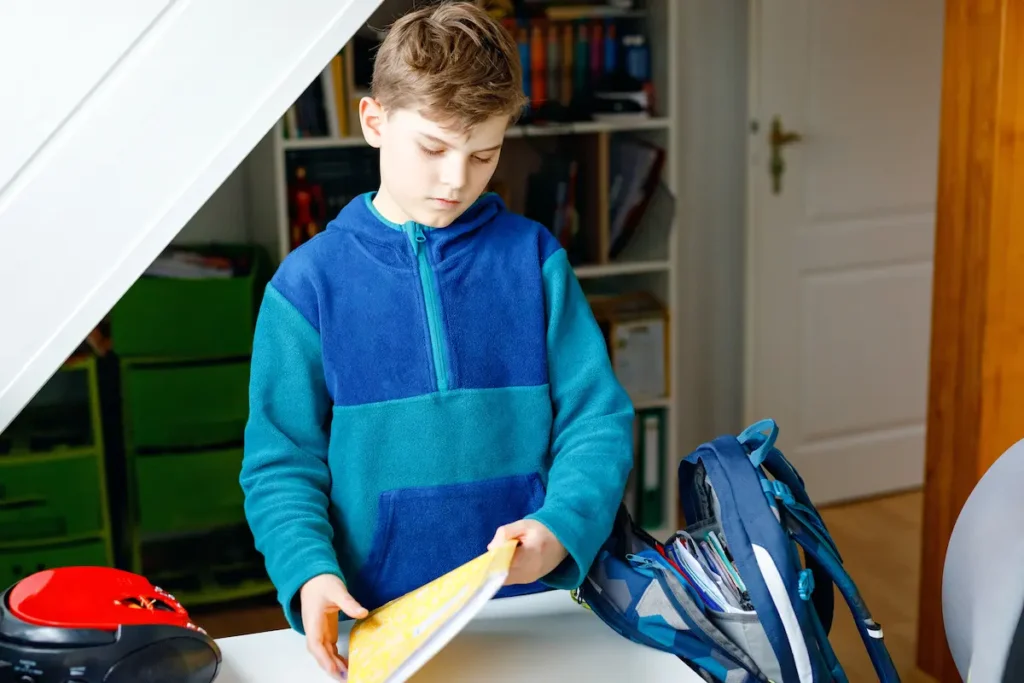
One of the most common reasons children procrastinate is that the task in front of them feels overwhelming in its entirety. Teaching them to identify the first small step, just the first one, removes much of that resistance. ‘You don’t have to finish the project. You just have to find three facts. That’s all for now.’ This approach, applied consistently, becomes a habit of thought that serves them across their entire education and beyond.
Plan the Week Together
A brief weekly planning conversation, even five minutes on a Sunday evening, helps children develop the habit of thinking ahead. What is happening this week? What needs to be done? When are you going to do it? schools that prepare girls for demanding futures, where academic expectations are high and schedules are full, often build planning skills into their pastoral provision because the ability to organise time effectively is inseparable from the ability to achieve.
Account for Rest
The biggest error in most time management plans is treating every hour as available. Children need genuine downtime, and so do adults. A plan that includes breaks, free time, and space for the unexpected is far more realistic, and therefore far more likely to be followed, than one that optimises every minute.
Consistency is everything. The skills that seem clunky at seven become second nature at twelve, and genuinely useful at seventeen. Start now, and keep it light. Visit https://www.lehs.org.uk/ to find out more.
About the Partner: Lady Eleanor Holles is an independent girls’ school in Hampton, offering an exceptional education that combines academic rigour, a wealth of extra-curricular opportunity, and a genuine commitment to the personal development of every student.