
There is a meaningful difference between a child who learns because they have been told to and one who learns because they want to. The second kind reads beyond the set text, asks questions no one has thought to ask, and approaches new topics with genuine curiosity. The good news is that this disposition is not fixed at birth. It can be cultivated, starting at home.
Create the Conditions for Curiosity
Curiosity does not switch itself on automatically. It needs to be fed. This means having books, puzzles, and interesting objects around the home. It means conversations that go somewhere rather than defaulting to screens. Answer a child’s question with a question of your own: ‘That’s interesting. What do you think?’ A home that treats questions as invitations rather than interruptions sends a powerful message.
Give Them Ownership
Children who have some say in what and how they learn are more engaged than those who are entirely directed. This does not mean abandoning structure. It means, where possible, letting them set some of their own goals or choose how to present what they have learnt. Even small moments of ownership build the sense of agency that underpins genuinely independent learning.
Resist the Urge to Rescue
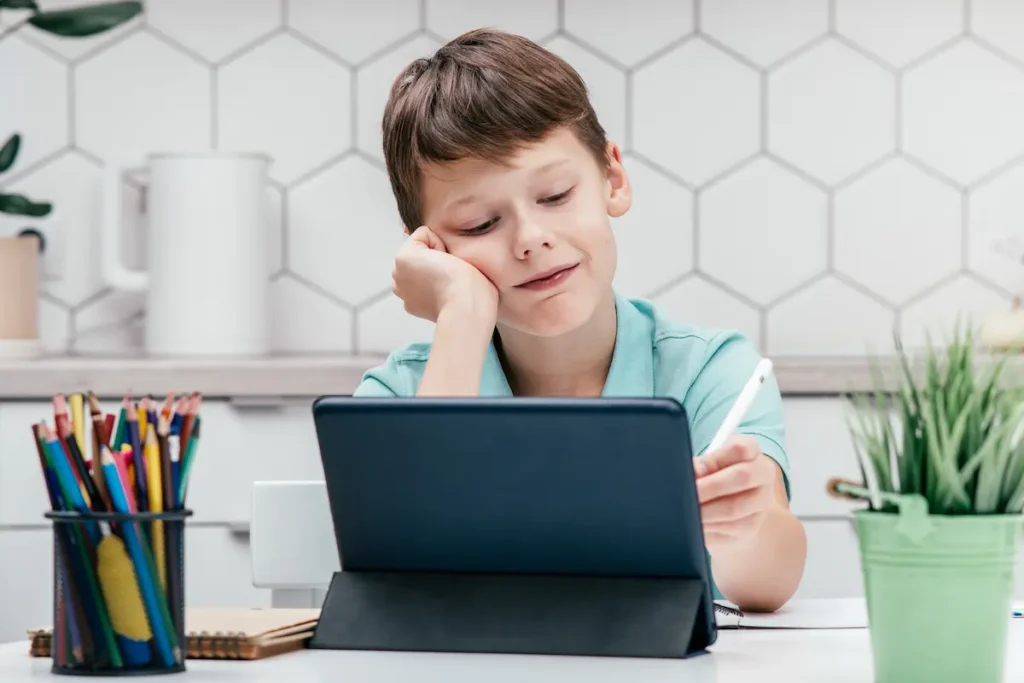
When a child is stuck, the instinct is to help immediately. But sitting with difficulty, even for a short while, is itself a skill. supportive girls’ schools like Channing build this expectation into their teaching from an early age, creating learners who are not dependent on constant guidance and who trust their own ability to work things out. The same approach, applied at home, reinforces what school is trying to build.
Model Lifelong Learning
Children are watching how you approach the world. If they see a parent who picks up a book for pleasure, who admits they do not know something and goes to find out, who talks about learning with enthusiasm, they absorb the message that learning is a natural and enjoyable part of adult life. Talk about what you are curious about. Show them that not knowing something is the beginning of an interesting process.
Wherever possible, connect learning to real things your child already cares about. Fractions become instantly meaningful when halving a recipe. History comes alive at a relevant site. Science is vivid when you grow something and watch what happens. Find out more at https://www.channing.co.uk/.
About the Partner: Channing School is an independent girls’ school in Highgate, North London, celebrated for its academic excellence, vibrant community, and deep commitment to developing independent, confident, and intellectually curious young women.