

After the holidays, houses don’t just feel messy. They feel loud. Not always in noise, but in energy. Stuff left out. Corners that still look like December. Schedules drifting. Sleep a bit off. You don’t always notice it consciously, but you feel it. And it makes everything harder than it needs to be.
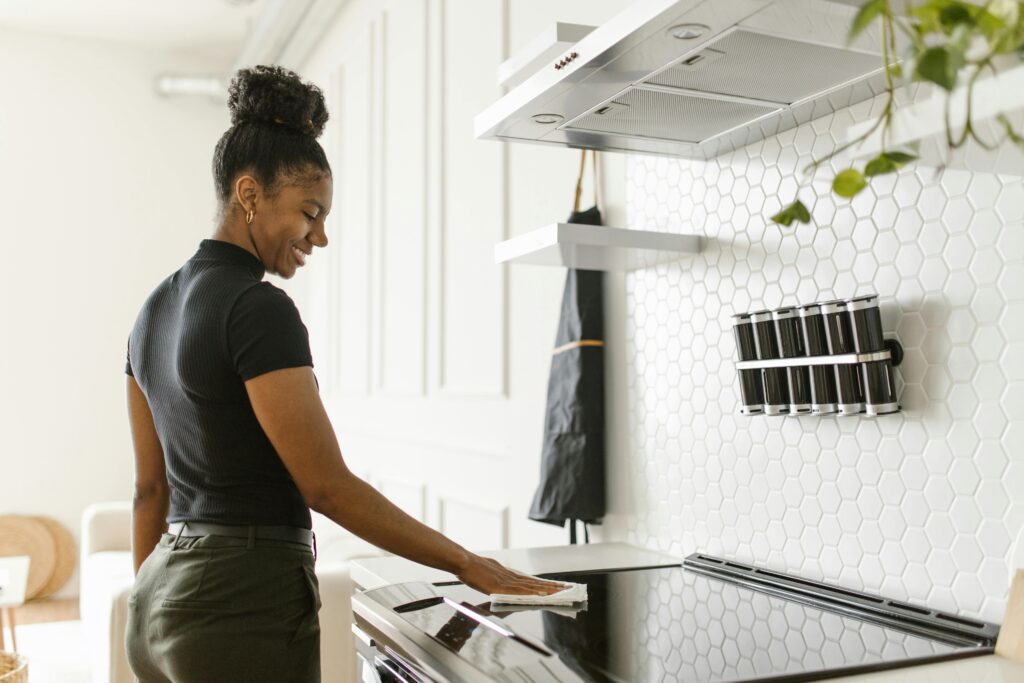
Calm doesn’t come from doing everything. It usually comes from fixing a few small things that keep catching on your nerves every day.
Reset the Main Living Space First
Trying to calm the whole house in one go is a fast way to give up. The better approach is picking the room everyone actually lives in and starting there.
That’s usually the living room or kitchen-diner. Clear the surfaces properly, not just shifting things into piles. Put away the leftover Christmas bits that never quite got dealt with. Coasters back where they belong. Remote controls in one place. Cushions straightened. Floor clear enough that you’re not stepping over things.
It sounds basic. It works anyway. The space your eyes land on most often has the biggest effect on how calm your home feels.
Lower the Visual Noise
A lot of post-holiday overwhelm comes from too much being visible at once. Not just clutter, but colours, papers, packaging, half-used things.
Look around each main room and notice what your eye keeps catching on. That stack of unopened post. The random school letters on the counter. The broken toy still sitting there because “I’ll sort that later”.
You don’t need minimalist. You just need less shouting for attention.
Even small changes help:
- One basket for paperwork instead of five separate piles
- One tray for everyday bits (keys, lip balm, glasses)
- Open shelving with fewer items on show
When the room looks quieter, your head tends to follow.
Bring Back Soft Lighting in the Evenings
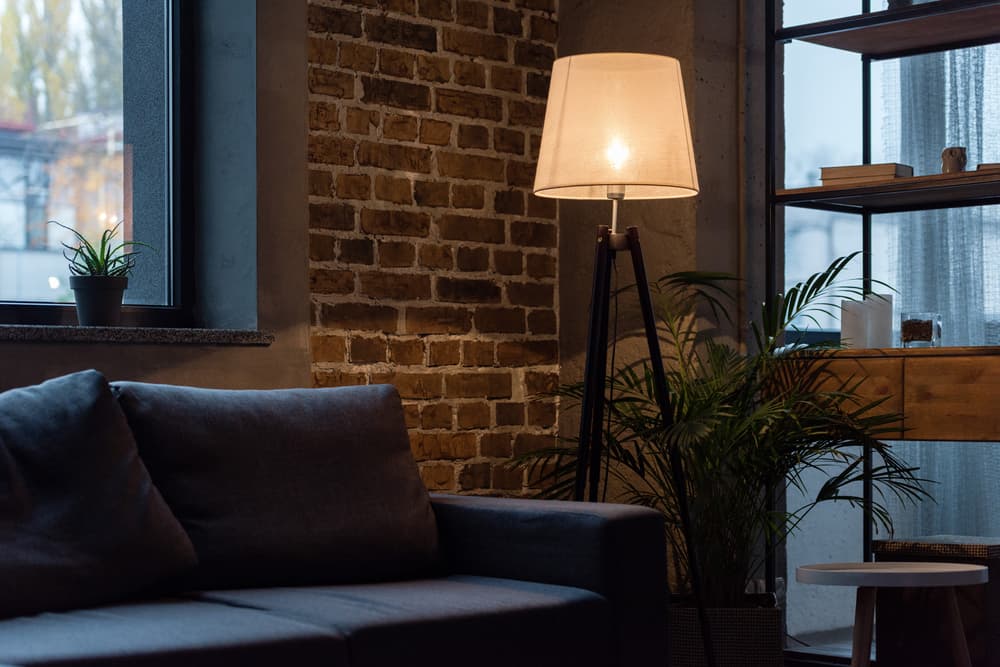
Winter evenings are long, and overhead lights make everything feel harsher than it needs to. After Christmas especially, when fairy lights are gone but the evenings are still dark, homes can feel oddly flat.
This is where lamps matter more than people realise. A table lamp in the corner. A warm bulb instead of a bright white one. A small light in the hallway instead of the big one. It changes the mood of the whole space without any effort.
It’s one of the simplest ways to make your home feel calm after the holidays, and it doesn’t require buying new things. Just using what you already have differently.
Soften the Sounds in the House
Calm isn’t only visual. It’s noise levels too. And many homes are louder than they need to be, even when no one’s arguing.
TV on for background noise. Phones playing videos. Alexa answering questions from another room. It adds up.
You don’t need silence. That’s unrealistic with families. But you can be more intentional with sound:
- Music on low instead of TV as default
- Turning things off when no one’s watching
- Keeping mornings quieter where possible
- Not filling every gap with noise
Homes feel calmer when there’s space to breathe between sounds.
Create One Area That Feels Peaceful on Purpose
Not the whole house. Just one spot.
A chair near the windowad window. The end of the sofa. Your side of the bed. Somewhere that feels slightly separate from the chaos of daily life. It doesn’t need to be styled. It just needs to feel like a place you actually want to sit.
A blanket you like. A lamp. A book. A mug. That’s enough.
This isn’t about aesthetics. It’s about having somewhere that signals “you can exhale here” when everything else feels busy.
Reset Routines Around Evenings
A lot of post-holiday tension comes from evenings drifting. Too much screen time. Later meals. No clear rhythm. Everyone slightly out of sync.
You don’t need strict schedules. But some structure helps calm settle back in.
Maybe that looks like:
- Dinner at roughly the same time most nights
- Screens off by a certain time for younger kids
- Showers happening earlier rather than right before bed
- Lights dimmed after dinner instead of full brightness
These aren’t rules for the sake of it. They’re signals to the body that the day is slowing down. That’s where calm starts to reappear.
Let Go of the Idea That Everything Has to Feel Perfect
This is the part people don’t like hearing, but it matters. Homes feel tense when someone is constantly trying to make them perfect.
Calm doesn’t come from everything being spotless. It comes from things being functional and predictable enough that nobody’s on edge all the time.
Some toys out is normal. Some washing waiting is normal. Some noise is normal. The goal isn’t a show home. It’s a home that feels easier to live in than it did last week.
If you notice even a small difference after making a few changes, that’s the point. That’s the win. You build from there, slowly, in a way that actually fits real life.