
If you’ve got a van or larger vehicle that you rely on most days, you’ll probably know how quickly the little things start to add up.
Ours isn’t even used for anything that heavy, but even then… it doesn’t take much before something needs topping up, fixing or just checking over.
And an MOT has a habit of creeping up, doesn’t it. You know it’s coming, but it still somehow feels last minute.
With bigger vehicles, there’s usually a bit more to think about as well. More mileage, more wear, more chances for something small to turn into a bit of a hassle on the day.
What’s helped us is just doing a few really quick checks beforehand. Nothing complicated. Just enough to avoid that annoying fail over something you could have sorted in five minutes.
If your vehicle gets a lot of use, it’s worth staying on top of it where you can. Booking a Class 7 MOT at Dexel Tyre & Auto Centre at the right time just takes a bit of the pressure off.
1. Tyres and Tread Depth
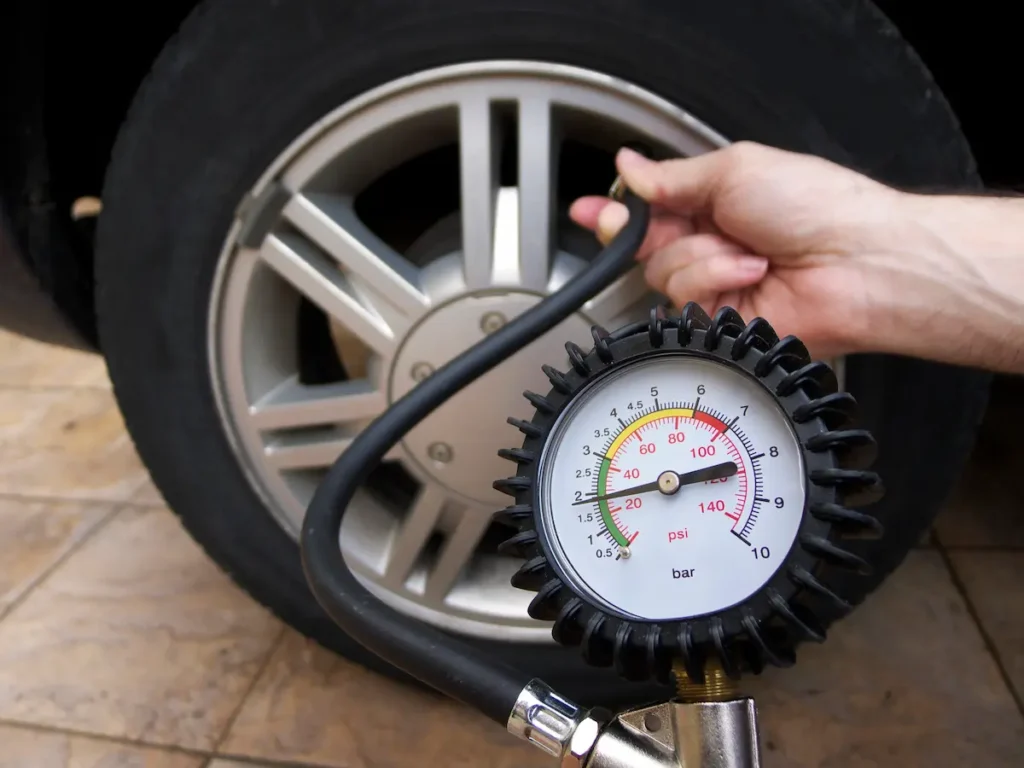
Tyres are one of the first things inspectors look at during an MOT. They need to be enough treaded to grip the road safely and must not have any visible damage such as cracks, bulges, or uneven wear.
A quick visual check can often highlight potential issues. Running a hand over the tread, looking for worn patches, or checking the tyre pressure can help identify problems initially. Replacing the worn tyres beforehand can prevent inconvenience or unexpected costs in the future. It is also helpful to maintain tyres to make the trips safer, particularly those in which the car is a regular user.
2. Lights and Indicators
Lights are the other common reason vehicles fail an MOT, yet they are also one of the easiest to check. The brake lights, headlights, indicators, and number plate lights all should be working properly.
Turning on each light and walking around the vehicle takes only a few minutes. If a bulb has stopped working, it is quick and inexpensive to replace it. Making this simple check beforehand can help avoid unnecessary retests.
Good visibility is important for vehicles especially for those that travel early in the morning or later in the evening. It’s also worth checking that lenses are clean and not cracked, as dirt or damage can reduce brightness. Keeping lights clear and functioning properly not only helps pass the MOT but also improves safety during night driving and poor weather conditions.
3. Brakes and General Handling
Brakes play a critical role in safety of the vehicle, particularly for larger vehicles that may carry passengers, equipment, or heavy loads. In case the brakes are less responsive than usual, are making unusual sounds, or pulling the vehicle slightly to one side, it may be worth schedule a professional inspection prior to the MOT.
Paying attention to how the vehicle feels during the drive can give useful clues. Addressing concerns before testing helps maintain safe performance and reduces the chances of issue during testing.
Reliable braking supports smoother, more confident journeys on busy roads. Drivers may also notice warning lights on the dashboard or vibrations when braking. These signs should never be ignored, as they can indicate underlying issues that require attention.
4. Windscreen and Wipers
A clear view of the road is essential for safe driving. Cracks, chipped, or damaged wiper blades may affect visibility and may lead to an MOT failure if not addressed.
Checking the windscreen for small chips and making sure wipers clear the glass properly can help prevent issues during the inspection. Another quick task that’s important but often overlooked is topping up washer fluid. These simple steps help ensure safe driving in all weather conditions.
5. Mirrors and Number Plates
Mirrors and number plates must be secure, clean, and readable. Loose mirrors or faded number plates can lead to unnecessary complications during the test.
Taking a moment to wipe down mirrors and ensure plates are clearly visible is an easy way to prepare for the inspection. It also supports safe driving since improving awareness of surrounding traffic. Small details like these can make the overall process feel more simplified.
Preparing Ahead Makes the Process Easier
Booking a Class 7 MOT doesn’t need to feel stressful. A few simple checks that could be carried out in advance may help identify minor issues before they become major problems. This preparation not only saves time, but also reduces the chance of unexpected repairs, and helps keep vehicles performing as expected.
For vehicles that are driven frequently or those carrying heavier loads, staying organised with regular maintenance becomes even more important. Keeping everything in good condition supports safer journeys, smoother schedules, and greater confidence on the road.