

Maths can sometimes feel like a daunting subject for children, but with the right approach, you can make it enjoyable and boost their confidence. Here are some practical tips to support your child’s learning journey.
Make Maths Part of Everyday Life
Maths isn’t just about numbers on a page—it’s all around us. Encourage your child to spot maths in daily activities, such as counting coins while shopping, measuring ingredients for a recipe, or comparing distances on a map. This helps them see the relevance of maths in real life and strengthens their problem-solving skills naturally.
Use Fun and Interactive Resources
Learning through play can make a big difference. Board games, card games, and online maths apps are excellent ways to make practice engaging. Simple games like “Snap” or “Dominoes” can improve number recognition and addition skills, while interactive apps offer personalised challenges that adjust to your child’s level.
Break Problems into Smaller Steps
Complex maths problems can be overwhelming. Encourage your child to break questions into smaller, manageable steps. For example, if they are learning multiplication, start with repeated addition, then progress to times tables, and finally move on to word problems. This step-by-step approach helps build confidence and understanding.
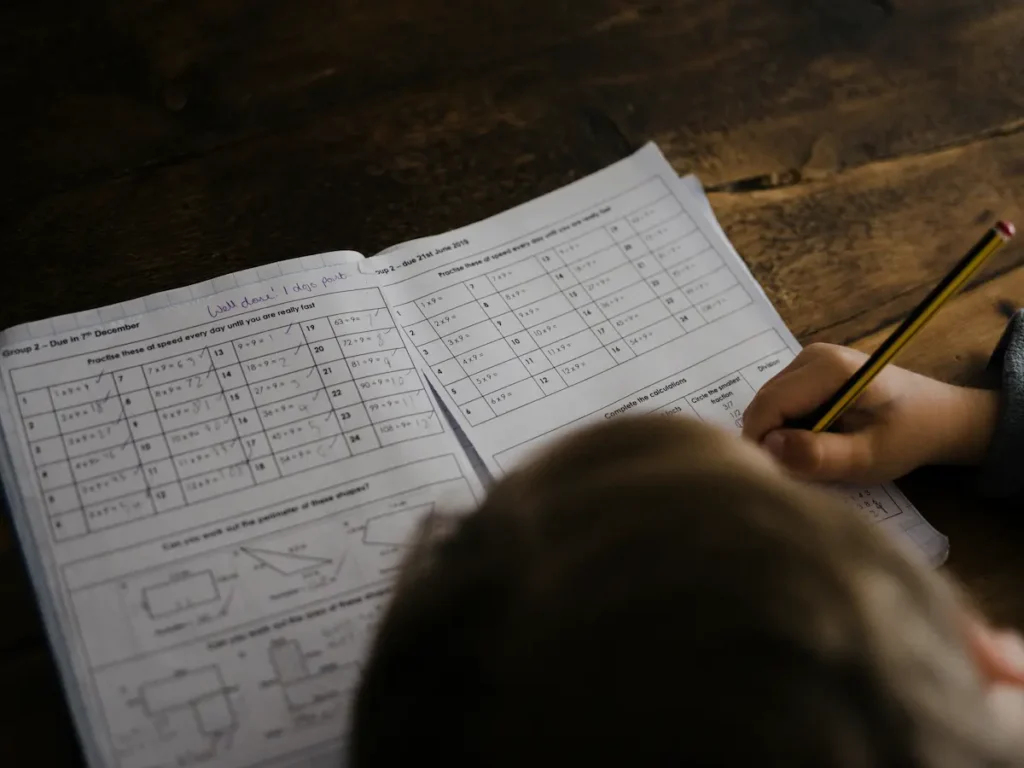
Encourage a Growth Mindset
It’s important to focus on effort rather than just results. Like all academic institutions, praise your child for trying, experimenting, and learning from mistakes. Using phrases like “You worked hard on that problem” or “Mistakes help us learn” reinforces a positive attitude towards maths. Children who develop a growth mindset are more likely to persevere when faced with challenges.
Practice Regularly but Briefly
Short, frequent sessions are often more effective than long, infrequent ones. Even ten to fifteen minutes a day can make a difference. Use quick activities like times table quizzes or mental arithmetic games to keep skills sharp without overwhelming your child. Consistency is key to building long-term understanding.
Link Maths to Interests
Tailoring maths to your child’s hobbies can make it more appealing. For instance, if they enjoy sports, explore statistics or scoring in their favourite game. If they love baking, involve them in measuring ingredients and calculating quantities. Relating maths to something they enjoy makes learning meaningful and fun.
Stay Patient and Supportive
Children pick up maths at different paces, and it’s important to stay patient. Avoid putting too much pressure on them, as this can create anxiety. Instead, offer encouragement, be available to explain concepts, and celebrate progress, no matter how small. A supportive environment fosters confidence and a love of learning.
Seek Extra Help if Needed
If your child continues to struggle despite your support, consider additional resources such as a tutor, online lessons, or school-provided support. Early intervention can prevent gaps in understanding and help your child feel more confident in the subject.