

Social skills are essential for children, helping them build friendships, communicate effectively, and navigate the world around them. As parents and caregivers, supporting your child in developing these skills can have a lasting impact on their confidence and overall well-being. Here are some practical ways to encourage and nurture social development.
Understanding Social Skills
Social skills include a variety of behaviours, from sharing and taking turns to listening, empathy, and managing conflicts. Every child develops these abilities at their own pace, and some may need more guidance than others. Recognising your child’s strengths and areas for growth is the first step in providing meaningful support.
Model Positive Behaviour
Children learn a great deal by observing the adults around them. Demonstrating respectful communication, active listening, and patience sets a strong example. Simple actions, such as greeting neighbours with a smile or saying “please” and “thank you,” teach children how to interact politely and positively with others.
Encourage Playdates and Group Activities
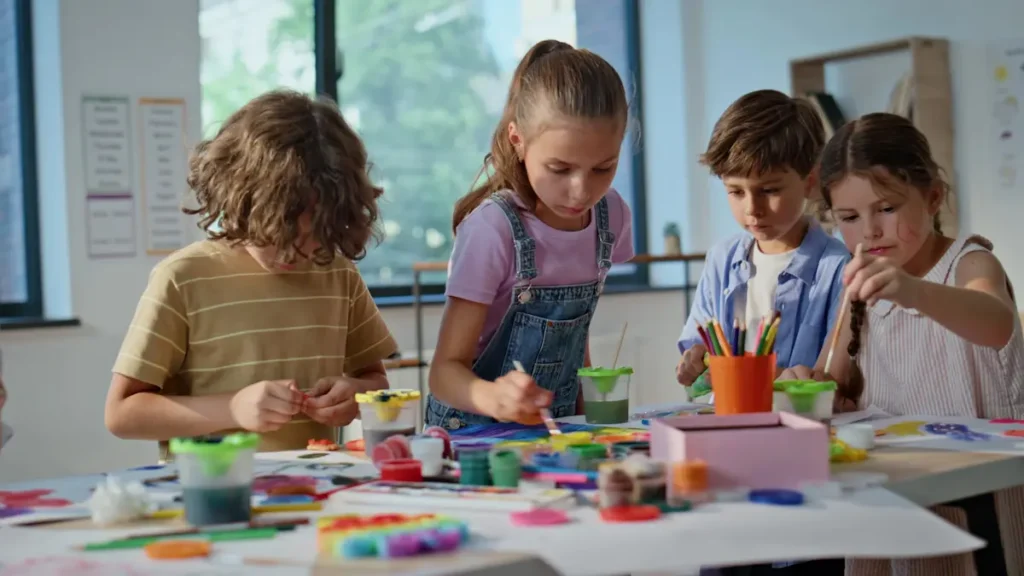
Play is one of the most effective ways for children to develop social skills. Organising playdates, joining local after school clubs, or enrolling your child in team activities like sports or drama classes provides opportunities for interaction with peers. These experiences help children practice sharing, cooperation, and problem-solving in real-life scenarios.
Teach Empathy and Emotional Awareness
Helping your child recognise their own emotions and those of others is a key part of social development. Encourage them to talk about their feelings and consider how others might feel in different situations. Storytelling, role-playing, and discussing daily experiences can all promote empathy, making children more understanding and supportive friends.
Offer Guidance During Conflicts
Disagreements are natural, but they also provide valuable learning opportunities. Guide your child through conflicts by encouraging them to express their feelings calmly, listen to the other person, and work towards a fair solution. Avoid stepping in too quickly—giving them space to problem-solve builds independence and confidence.
Praise Social Efforts
Positive reinforcement goes a long way in encouraging good social behaviour. Acknowledge your child’s efforts when they share, include others, or show kindness. Specific praise, such as “I liked how you helped your friend when they were upset,” reinforces the behaviours you want to see more of and helps your child understand the value of their actions.
Be Patient and Consistent
Developing strong social skills is a gradual process. Some children may take longer to feel comfortable in social settings, while others might need repeated guidance on sharing or turn-taking. Patience and consistency are crucial—small, regular efforts can lead to meaningful progress over time.
Supporting your child in developing social skills is about providing guidance, encouragement, and opportunities to interact with others. By modelling positive behaviour, offering structured social experiences, and teaching empathy and problem-solving, you can help your child build confidence, form strong friendships, and navigate social situations with ease. With your support, your child can grow into a compassionate, socially competent individual ready to thrive in the world around them.