

*This article is for general information only and is not a substitute for medical advice. Always speak to your GP, pharmacist or prescribing healthcare professional if you have concerns about side effects or your Wegovy treatment.
Nausea is one of the most commonly reported side effects of Wegovy, particularly when starting treatment or increasing the dose. There’s good news, though: for many people, nausea improves as the body adjusts to the medication, although symptoms and recovery times can vary.
Understanding the typical timeline for Wegovy nausea can help you prepare, manage symptoms more effectively, and recognise when you may need medical advice. Here are five stages that can occur during treatment.
The First Few Weeks: When Nausea May Be More Noticeable
Nausea can be more noticeable during the first few weeks of treatment as your body adjusts to Wegovy. How long Wegovy nausea lasts varies from person to person, and symptoms may also become more noticeable when the dose is increased. Wegovy affects appetite and slows the movement of food through the stomach, which can contribute to gastrointestinal side effects such as nausea.
During the first few weeks, nausea may be accompanied by other symptoms such as:
- Bloating or a heavy, uncomfortable feeling after eating
- Reduced appetite that makes meals feel like a chore
- Occasional vomiting, particularly after larger meals
- Fatigue, which compounds how unwell you feel overall
Mild gastrointestinal symptoms are common when starting Wegovy, but severe or persistent symptoms should be discussed with your healthcare professional.
Weeks Two Through Four: The Adjustment Window
For some people, nausea begins to ease as the body adjusts to treatment. Symptoms may become less frequent or less intense, although everyone’s experience is different. You may also find that certain foods make symptoms more noticeable than others.
Dietary habits can also make a difference during this window. Smaller, more frequent meals may help some people manage nausea. Some people find that high-fat foods, spicy dishes and larger portions make symptoms worse. Eating slowly may help, and some people also find it useful to stay upright after meals.
Dose Escalation: Why Nausea Can Return
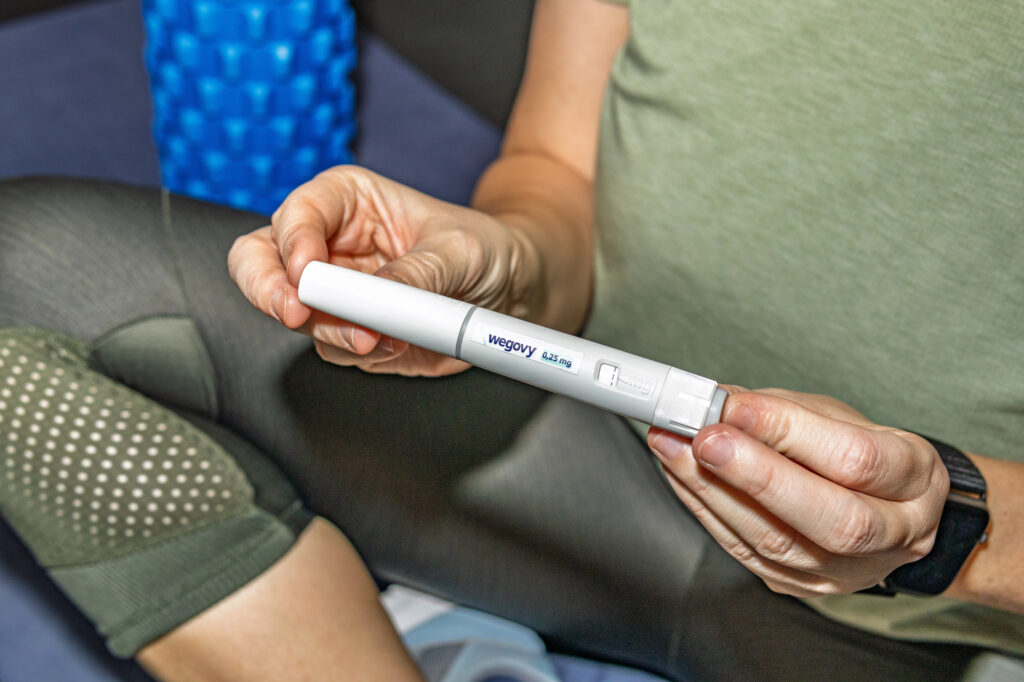
Wegovy follows a structured dose escalation schedule. You start at 0.25 mg weekly for the first month, then move to 0.5 mg, then 1 mg, then 1.7 mg, and finally the maintenance dose. Nausea can return or become more noticeable following a dose increase, even if it had mostly resolved at the previous dose.
This can catch patients off guard. You might feel comfortable at one dose, only to experience nausea again when the dose increases. This can happen as your body adjusts to the higher dose, although everyone’s experience with Wegovy is different.
If side effects are difficult to tolerate, your healthcare professional may recommend delaying a dose increase rather than moving up according to the usual schedule.
As Treatment Continues: Nausea Often Improves
For many people, nausea becomes less frequent as their body adjusts to Wegovy. Gastrointestinal side effects tend to be more common when starting treatment and around dose increases, before easing over time.
Not everyone follows the same timeline, though. Some people may notice an improvement relatively quickly, while others experience nausea for longer or find that symptoms return temporarily after increasing their dose. Factors such as individual sensitivity, other health conditions and the dose you’re taking can all affect your experience.
The important thing is to pay attention to how your symptoms are changing. If nausea is gradually becoming less frequent or severe, this may be part of the adjustment process. If it remains persistent, becomes worse or makes it difficult to eat, drink or manage everyday activities, speak to your healthcare professional.
Persistent Nausea: When to Talk to Your Doctor
If nausea remains persistent, becomes more severe or interferes with eating, drinking, sleeping or everyday activities, speak to your healthcare professional. You don’t need to wait for a particular point in the treatment timeline before asking for advice.
There are several reasons why nausea may persist, including how your body responds to the medication, changes in dose, other health conditions or medications, and dietary factors. Your healthcare professional can help assess what may be contributing to your symptoms and whether your treatment needs adjusting.
Depending on your symptoms, your healthcare professional may recommend delaying a dose increase, returning to a previous dose or making other changes to your treatment. It’s important not to change your Wegovy dose or stop treatment without speaking to your healthcare professional first.
Conclusion
Wegovy nausea can vary considerably from person to person, but gastrointestinal side effects are particularly common when starting treatment and around dose increases. For many people, these symptoms become less troublesome as the body adjusts.
Knowing what to expect can make the adjustment period easier to manage, but there isn’t one recovery timeline that applies to everyone. Pay attention to changes in your symptoms, follow the advice provided by your healthcare professional and speak to them if nausea is persistent, worsening or affecting your ability to eat, drink or manage everyday life.
Related posts:
 Heroin Withdrawal Timeline: Symptoms, Medications, and Safe Care Strategies
 How Do Doctors Determine the Right Microdose of Compounded Semaglutide for You: A Comprehensive Guide
 Dental implant recovery timeline: Healing week by week
 Do you suffer from major depressive disorder? Here are some helpful tips