

Creative writing is one of the most powerful ways to nurture your child’s imagination, confidence and communication skills. Beyond spelling tests and grammar exercises, storytelling gives children the freedom to explore ideas, experiment with language and express themselves in ways that feel personal and exciting. Exploring creative writing together at home can transform it from a school task into a shared adventure.
Why Creative Writing Matters
Creative writing helps children develop far more than literacy skills. When a child invents a character or imagines a new world, they are practising problem-solving, empathy and critical thinking. They learn how to structure ideas, build narratives and consider different perspectives.
It also strengthens emotional intelligence. Through storytelling, children can safely explore feelings such as fear, excitement or frustration. A shy child might create a bold superhero; a nervous child might write about overcoming a challenge. Writing becomes a safe space for self-expression.
Most importantly, creative writing builds confidence. Seeing their ideas come to life on paper shows children that their thoughts matter.
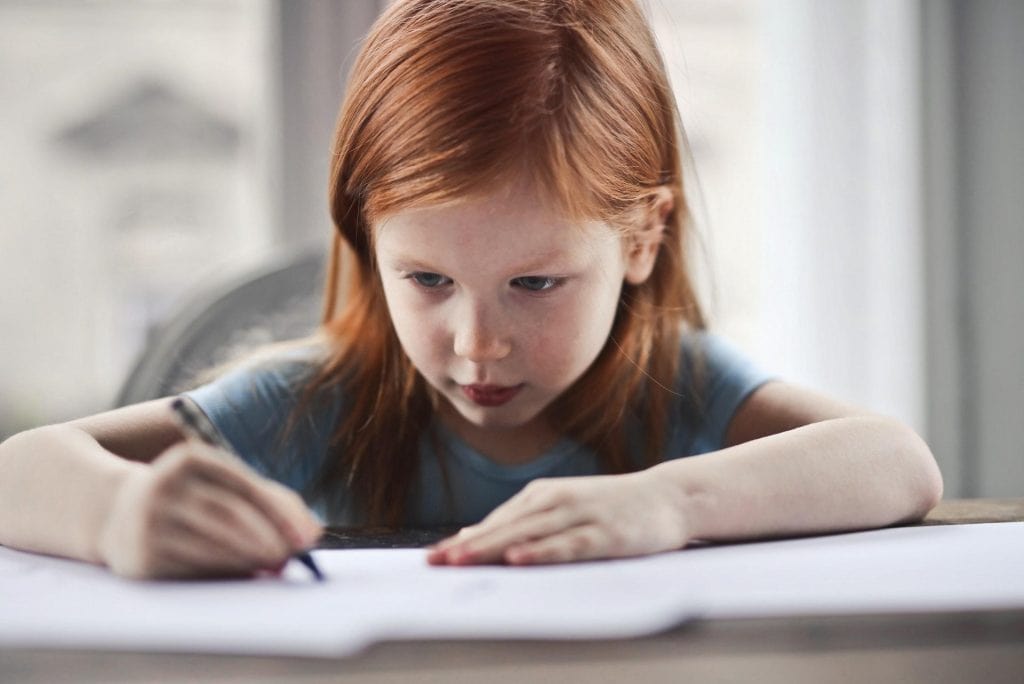
Making Writing Fun at Home
The key to encouraging creative writing is to keep it playful. Avoid turning it into a formal lesson. Instead, treat it as a creative activity you can enjoy together.
You might start with simple prompts:
- If you could travel anywhere in the world, where would you go?
- What would happen if animals could talk?
- Invent a new holiday – how would people celebrate it?
You can also build stories together. Take turns adding a sentence each. This removes pressure and shows your child that writing is a collaborative and enjoyable process.
Another effective approach is using everyday experiences as inspiration. A walk in the park, a trip to the seaside or even a rainy afternoon can spark imaginative storytelling.
Supporting Without Taking Over
It can be tempting to correct spelling or grammar straight away, but during creative writing sessions, try to focus on ideas first. Praise their imagination, originality and effort. You can always revisit technical skills later.
Ask open-ended questions such as:
- What happens next?
- How does your character feel?
- Why did they make that choice?
This encourages deeper thinking without making your child feel judged or criticised.
If your child struggles to get started, offer gentle structure. Creating a simple beginning, middle and end plan can help them organise their thoughts while still allowing creativity to flourish.
Using Books as Inspiration
Reading widely supports creative writing naturally. After finishing a story, discuss what they enjoyed. Was it the setting? The characters? The twist at the end? Encouraging your child to think like a writer helps them understand how stories are built.
You could even rewrite a favourite fairy tale with a modern twist or change the ending of a well-known story. This shows children that stories are flexible and that their voice can reshape familiar ideas.
Celebrating Their Work
One of the most motivating things you can do is celebrate your child’s writing. Display their stories on the fridge, create a small “book” by stapling pages together, or read their story aloud as a family.
When children feel proud of their work, they are more likely to continue writing.
Exploring creative writing with your child is not about perfection. It is about connection, imagination and building lifelong confidence. With encouragement and a little creativity, you can help your child discover the joy of storytelling – and perhaps create some magical memories along the way.