
In an increasingly sedentary world obsessed with digital technology, maintaining a healthy lifestyle is pretty challenging. This is especially true for children, who are restricted by traffic and safety concerns from playing outside as previous generations did, and therefore spend more time indoors staring at screens. As parents, it’s crucial to foster healthy habits in our children, and one of the most effective ways to promote lifelong fitness is through role modelling. But how can parents set the kind of fitness examples that will stick with their kids without forcing anything or causing resentment? It’s a tricky tightrope to walk, but here are some ideas:
Power up with Regular Workouts
Setting a physical and visual example is the first step towards fostering a fitness culture at home. Regular exercise not only enhances your own physical health but also sends a strong message to your kids about the importance of staying active. Let your kids observe you work out regularly, be it yoga, aerobics, cycling, or even a simple jog around the park. You’d be surprised to see how quickly they start emulating you. You don’t have to stop at actual workouts, either. You can incorporate fitness – or the idea of fitness – into many activities. For example, you could grab a pair of running shorts for men at the shops while commenting on how good running is for you and/or your partner. Kids will absorb even small lessons like this much more deeply than you might expect.
Cook and Eat Healthy
The way we eat often trickles down to our children. They mimic our food choices and eating habits. Make sure you’re setting the right example. Include a mix of fruits, vegetables, lean proteins, and whole grains in your meals. Involve your kids in meal preparation. This will not only inspire them to eat healthier but also educate them about different nutrients and their significance. It is also an excellent opportunity to introduce the concept of portion control and a balanced diet. All these measures can collectively influence your kids’ eating habits and create a healthier life for them.
Encourage Participation in Physical Activities
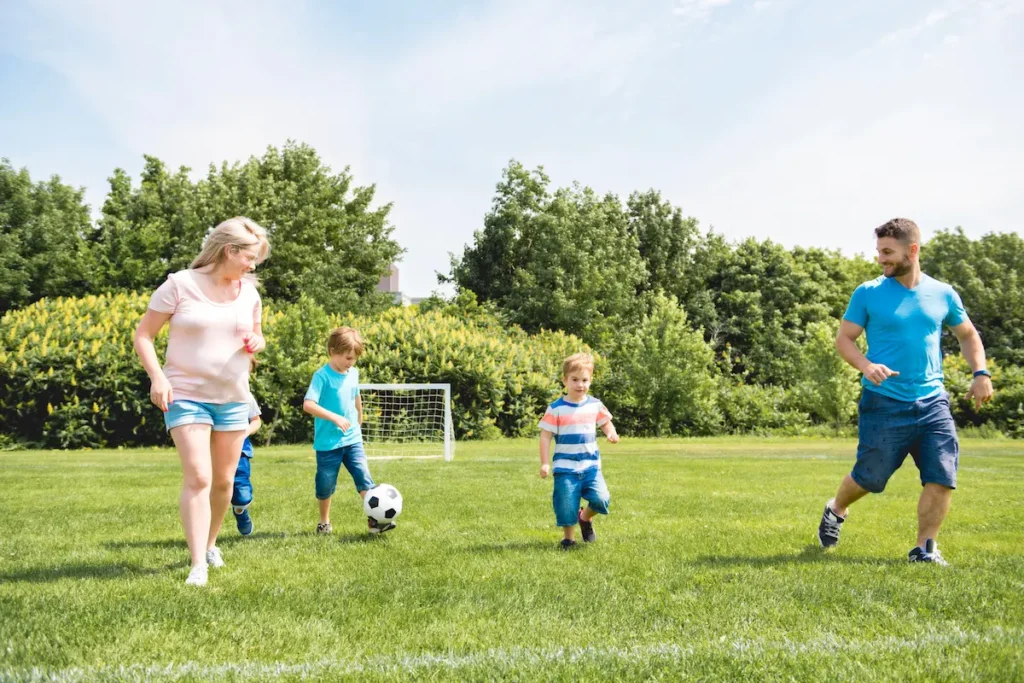
Not every child is a fan of organised sports, and that’s perfectly fine. However, as parents, we can still inspire them to engage in activities they enjoy. For instance, if your child enjoys dancing, support them by playing their favourite tunes and joining them. If they like biking, skateboarding, or even skiing, find ways for them to participate. This promotes physical activity and strengthens the parent-child bond.
Limit Screen Time
While smartphones, tablets, and computers can have social and educational benefits for kids, excessive screen time is rarely a good thing. Establish and enforce a daily limit for these activities. Encourage your children to engage in outdoor fun, physical games, and hobbies that require physical exertion. When kids see their parents preferring gardening or a brisk walk over binge-watching series, they are likely to pick up healthier habits.
Practice What You Preach
It’s important not to contradict ourselves in front of our kids. If we instruct our kids not to eat junk food while we’re digging into a bag of crisps, it sends a confusing message. We must practice what we preach. If you’re encouraging your kids to run around in the park, join them sometimes. Our actions carry more weight than mere words.
Look for Teachable Moments
Everyday situations can serve as teachable moments to instil a love for fitness into your kids. Discuss the benefits of walking when you’re strolling together. Explain the importance of strength when you’re carrying heavy grocery bags. Use these moments to subtly communicate and demonstrate the benefits of remaining active, fit, and healthy.
Conclusion
Shaping your child’s outlook on fitness doesn’t require strict routines or forced gym sessions. It’s about leading by example and making fitness a daily habit. Be the role model your children need to see what a healthy lifestyle looks like, and you’ll give them the gift of fitness for the rest of their lives. Remember, it’s not about creating athletes; it’s about instilling an appreciation for health and fitness in our children.