
Some objects pass through our lives quietly. Others stay.
It isn’t always the most expensive item that earns a permanent place in a drawer, on a shelf, or around someone’s neck. Often, it’s something small. Something ordinary-looking to an outsider. Yet to the person who owns it, that object carries weight. It holds a story, a moment, or a feeling that refuses to fade.
Understanding why certain items become keepsakes while others are easily replaced can change how we choose gifts, how we mark milestones, and how we attach meaning to the physical things around us.
At its core, a keepsake is rarely about the object itself. It’s about what the object represents.
Meaning Is More Powerful Than Materials
People don’t form emotional bonds with things because of polish, shine, or price tags. They form bonds because of meaning.
An object becomes meaningful when it connects to:
- A person
- A moment
- A transition or milestone
- A shared memory
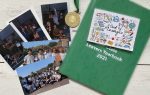
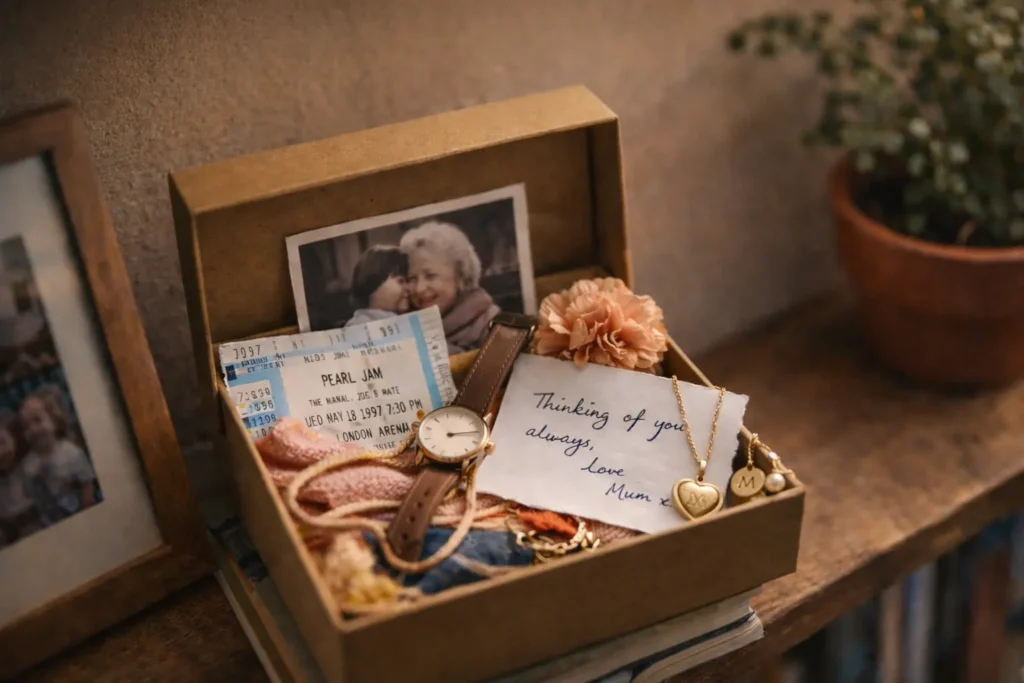
That’s why a simple concert ticket stub can feel more valuable than an expensive ornament. The ticket isn’t special on its own. The memory attached to it is.
When choosing items meant to last, many people gravitate toward small, personal touches. This is why personalised pieces such as Initial Necklaces often carry more emotional weight than generic accessories. They quietly represent identity, connection, or someone important, without needing explanation.
Meaning turns ordinary objects into emotional anchors.
Stories Create Staying Power
Keepsakes usually have a story behind them.
It might be:
- “This was given to me when I moved out on my own.”
- “I wore this every day during a really hard year.”
- “This was my grandmother’s.”
The object becomes a physical shortcut to that story. Touching it brings the memory back faster than words ever could.
If you want an object to become a keepsake, ask one simple question:
What story will this object tell in five or ten years?
Ways to intentionally build a story into an object:
- Attach it to a meaningful date or event
- Give it during a turning point in someone’s life
- Include a handwritten note explaining why you chose it
- Tie it to an inside joke or shared experience
When an object carries a clear narrative, it stops being “just a thing.”
Simplicity Leaves Room for Emotion
Highly detailed or trendy items often age quickly. Styles change. Preferences shift. What felt exciting one year can feel dated the next.
Simple objects age differently.
They leave space for meaning to grow rather than competing for attention.
Minimal designs:
- Are easier to wear or display long-term
- Don’t feel locked into a specific trend
- Allow personal interpretation
A plain-looking item can quietly collect emotional layers over time. Each new memory adds depth without altering the object itself.
That’s one reason understated keepsakes often outlast flashy ones.
Repetition Builds Attachment
Objects become meaningful through repeated presence.
The mug someone uses every morning.
The jacket worn on countless walks.
The necklace that’s put on without thinking.
Frequency creates familiarity. Familiarity creates comfort.
Over time, the object becomes woven into daily life. It starts to feel wrong when it isn’t there. That absence reveals how much emotional space it occupies.
If you want an object to grow into a keepsake:
- Choose something practical enough to be used often
- Avoid items that feel too precious to touch
- Think about where it fits into everyday routines
Keepsakes aren’t always protected behind glass. Many earn their status through quiet, constant companionship.
Emotional Timing Matters
The moment an object enters someone’s life plays a huge role in whether it becomes meaningful.
Objects given during emotionally charged periods tend to stick:
- Graduations
- Births
- Losses
- New beginnings
- Major achievements
During these times, people are more aware, more reflective, and more emotionally open. An item given then becomes tied to that internal shift.
It doesn’t have to be dramatic. Even small transitions count.
Moving into a new home.
Starting a new job.
Deciding to change direction.
An object introduced at these points becomes a symbol of the change.
Personal Connection Beats Perfection
A common mistake when choosing meaningful items is chasing “perfect.”
Perfect design.
Perfect craftsmanship.
Perfect presentation.
While quality matters, personal relevance matters more.
A slightly imperfect object chosen with genuine thought will almost always beat a flawless item chosen generically.
Ask:
- Does this reflect who they are?
- Does this connect to something we share?
- Will this remind them of me or a moment we experienced together?
Keepsakes feel personal. That feeling doesn’t come from catalogue descriptions. It comes from intention.
Keepsakes Evolve Over Time
Something interesting happens with true keepsakes.
Their meaning grows.
An object that once symbolised a birthday might later symbolise a period of growth. A gift from a partner might come to represent an entire chapter of life, not just the moment it was given.
Keepsakes aren’t frozen in meaning. They adapt as the owner changes.
That flexibility is part of what makes simple objects so powerful. They don’t dictate what they mean. The owner does.
How to Choose Items That Can Become Keepsakes
You can’t force an object to become meaningful, but you can stack the odds in its favour.
Consider:
- Will this still make sense years from now?
- Is it connected to identity, memory, or relationship?
- Is it simple enough to age well?
- Will it be used or seen regularly?
Think less about impressing and more about resonating.
Often, the best keepsake candidates are quiet. They don’t shout for attention. They wait patiently for meaning to arrive.
Some objects are destined to be forgotten. Others quietly become part of someone’s story.
The difference isn’t price.
It isn’t size.
It isn’t even beauty.
It’s a connection.
When an object holds a memory, reflects a relationship, or symbolises a meaningful moment, it stops being just a thing. It becomes a reminder of who we are, where we’ve been, and who we care about.
And that’s what turns a simple object into a keepsake.