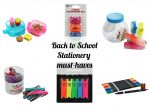

Being a parent comes with a lot of responsibilities, some fun, others not so much. Buying school supplies can feel like one of the “others.” One minute you’re picking out a backpack. Next, you’re running around for a uniform. And then there’s their school stationery, like pens, pencils and the like.
In reality, most children don’t need half as much as the shelves suggest. A small, sensible set of basics usually covers nearly everything. So what are they? This guide explains what to buy, what to skip, and a few extras that may help.
Why the Right Stationery Matters
It’s always good to teach your children responsibility, especially at an early age. Having their own pens, pencils, and notebooks gives them independence and teaches them to look after their own things. They don’t have to ask classmates for a spare, and it can also help them feel more responsible for their own work.
Getting the basics right saves you stress, too. You won’t have to dash to the shop at the last minute because they forgot to mention they lost all of their pens. It should also mean spending less money on items your child doesn’t really use.
The truth is that having a steady supply can make things go much smoother. Little things, like a sharp pencil or a notebook that isn’t falling apart, make a bigger difference than you might expect.
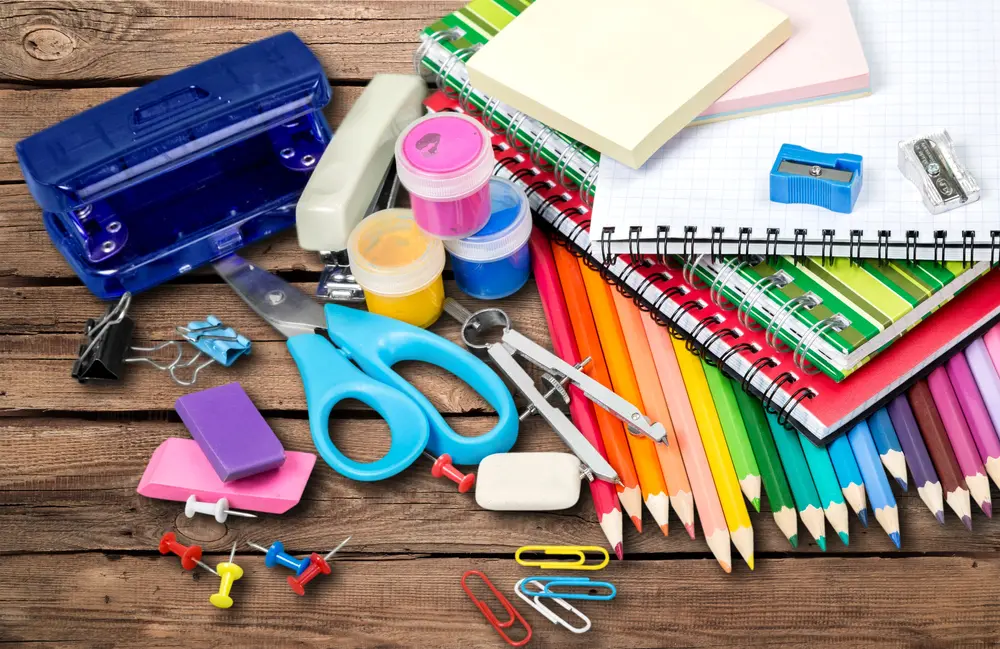
Writing Essentials
Pens
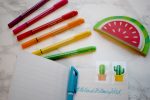
Blue or black pens cover almost everything. Younger children benefit from washable ink, as it saves a lot of stress with accidental marks on clothes or books. Older children may prefer gel pens because they write smoothly, but even standard ballpoint pens do the job.
Buying a small multipack is always worth it. Pens can go missing quickly, so having extras at home should help avoid any last-minute panic.
Pencils
HB pencils work for nearly all writing and drawing tasks. Mechanical pencils are useful for older children who like a consistent line, but wooden pencils are still perfectly fine. Just like with pens, it’s best to keep a few spares at home.
Rubber erasers and sharpeners
These are easy to forget, but always needed. Sharpeners with lids are often a popular choice as they will help prevent any pencil shavings from spilling into your child’s bag or pencil case. Even younger children benefit from simple, easy-to-use sharpeners that don’t jam.
Highlighters
Highlighters are more useful in secondary school than in primary, especially when studying is concerned.
One or two colours are enough. Don’t bother with full neon sets as they take up space and rarely get used. You can also encourage your child to use them for marking key points in notes or textbooks.
If you have a child in secondary school, you’ll also need to make sure they have items such as calculators and maths sets, which are essential for their studies.
Paper and notebooks
Exercise Books
Some schools provide exercise books. Others expect you to supply them. Ruled pages are standard for writing, squared pages work for maths, and plain pages are useful for art. Check the school list before buying, as there’s no point buying a pile of books your child can’t use.
Notebooks or Planners
A simple notebook helps track homework, reminders, and important dates. Older children benefit from having one place for everything instead of loose sheets in their bag. It can save them from losing assignments and keep their work more organised.
Loose Paper and sticky notes
Loose paper becomes more useful as children get older. They can use it for rough work, drafts, or projects. Whereas sticky notes aren’t essential, they help with marking pages in textbooks or writing quick reminders.
Storage and organisation
Pencil cases
Good storage makes it easier for your child to use stationery effectively and keep it from getting lost. Choose sturdy cases over flashy ones as at some point zips break, glitter comes off, and fancy designs don’t last.
A simple case that survives daily use works best. Just make sure there’s enough room for pens, pencils, erasers, a ruler and any other items your child needs.
Folders and wallets
Folders keep homework sheets, letters, and permission slips in one place. In the case of older children, they can colour-code by subject to make it easy to find what they need. Even one simple folder can make a big difference in helping your child stay organised.
Backpacks
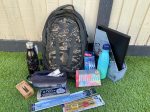
While they aren’t classed as stationery, backpacks are an absolute essential.
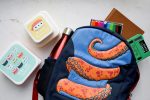
Most bags will have compartments to keep books separate from lunchboxes or water bottles. These stops can help prevent any damage to textbooks and prevent spills. Ideally, you want to look for something sturdy with enough space for essentials.
Nice-to-Have Extras
Some schools provide certain supplies like glue sticks, though others expect you to supply them instead. There are other items that aren’t essential, but can be helpful to have, such as:
- Flashcards for revision or spelling
- Small whiteboard for practising sums or spelling
- Correction tape for older children
- Book covers to protect textbooks
You can add these later if needed. They’re not urgent, but they make life easier if your child uses them.
Choosing quality without overspending
It’s easy to buy themed sets or novelty stationery because they look fun. But there’s always the chance that they may break quickly or not work well.
In most cases, it’s the practical items that tend to last longer. Multipacks are good for basics because pens and pencils get lost.
You don’t need to shop for expensive brands when you can get the same basic performance for less. This is why it’s always worth looking at customer reviews, especially if you’re doing your shopping online.
Primary vs Secondary School Needs
In primary school, children use lots of basic tools. It’s often items like pencils, colouring pencils or felt tips, and glue sticks that make up most of their daily needs. They also rely on erasers, rulers, and pencil cases to keep things organised. At this stage, the schools themselves normally provide anything more advanced.
However, when your children move to secondary school, the workload increases. They start using more pens than pencils, and highlighters become useful for revision and note-taking. Many schools also expect students to use planners or homework diaries to track assignments and deadlines (these are often provided — but not always).
It’s also at this stage that a wider range of stationery is needed for different subjects. For example, your child will most likely need a calculator or a geometry set for maths. While art or design classes might call for sketchbooks or special drawing tools.
Organisation quickly becomes more important because students are responsible for managing their own tools just as much.
A Simple Starter List
A basic set usually covers most needs:
- Blue or black pens
- HB pencils
- Rubber eraser and sharpener
- Ruler
- Glue stick
- Pencil case
- Notebook or planner
- Colouring pencils or pens
You can always add any extras once you know what your child actually uses.
Get ready for back to School
Buying school stationery doesn’t need to be complicated, and even a small set of basics usually covers everything your child needs. There are plenty of reputable suppliers out there to shop from, such as office stationery.
Whether you’re buying online or in-store, it’s important to consider both quality and cost. Many retailers offer seasonal sales, especially leading up to the start of the school year, which can be a great opportunity to get your children stocked up for the best school year yet!