

School isn’t just about academics. While reading, writing, and arithmetic are vital, a well-rounded education also includes opportunities to explore interests, develop new skills, and build social connections. This is where extra-curricular activities come in. From sports and music to clubs and volunteering, these activities play a crucial role in a child’s overall development.
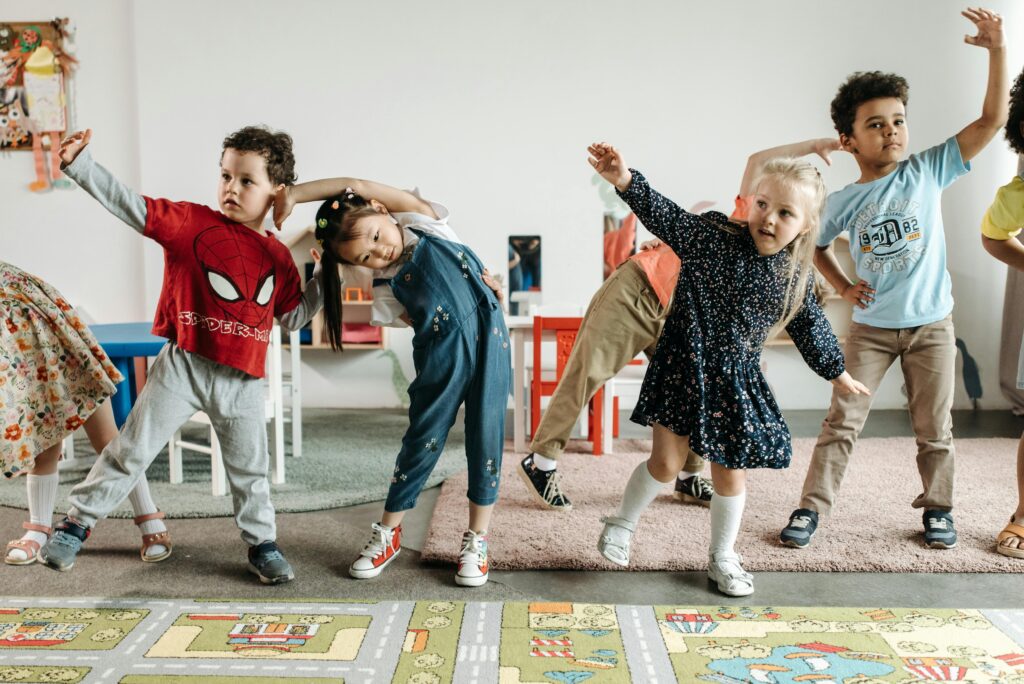
Here’s why extra-curricular activities matter — and how they can benefit your child.
Develops Social Skills and Teamwork
Extra-curricular activities provide children with opportunities to interact with peers outside of the classroom. Whether it’s playing on a sports team, joining a drama club, or participating in a debate group, children learn how to communicate, cooperate, and resolve conflicts.
Teamwork fosters skills such as:
- Listening to others
- Negotiating and compromising
- Supporting and encouraging peers
These skills are not only important in school but also in life.
Builds Confidence and Self-Esteem
Mastering a new skill or achieving a goal in a club or sport can give children a real sense of accomplishment. Positive experiences in extra-curricular activities help them see their abilities, which boosts self-confidence and encourages them to take on new challenges.
For example, at this boys independent school, students can be performing in a school play, scoring a goal, or presenting a project in a club can all provide tangible achievements that build pride and self-assurance.
Encourages Time Management and Responsibility
Balancing schoolwork with extra-curricular commitments teaches children valuable life skills. They learn how to prioritise, organise their time, and take responsibility for commitments.
These skills can improve academic performance and help children develop independence — traits that benefit them well beyond their school years.
Supports Physical and Mental Health
Physical activities, such as sports or dance, help children stay active, build strength, and develop coordination. Regular movement also contributes to overall wellbeing and reduces stress.
Other extra-curricular activities, like art, music, or mindfulness clubs, provide creative outlets that promote emotional expression and mental relaxation. Both physical and creative pursuits support a healthy balance between mind and body.
Helps Children Discover Their Passions
Extra-curricular activities expose children to experiences they might not encounter in the classroom. Trying different activities helps them explore interests, uncover talents, and discover passions that may influence their future studies or career choices.
Whether it’s learning to code, joining a chess club, or volunteering in the community, these opportunities help children understand what excites and motivates them.
Fosters Resilience and Perseverance
In extra-curricular activities, children face challenges — losing a game, struggling with a new skill, or performing in front of others. Learning to cope with setbacks and persist despite difficulties builds resilience, a critical life skill.
Children who develop perseverance in these safe, supportive environments are better equipped to handle challenges in school and beyond.
Strengthens Relationships with Adults and Mentors
Clubs, coaches, and activity leaders offer children additional supportive adult relationships. Positive mentoring helps children feel valued, learn guidance, and receive encouragement outside of the classroom.
These relationships can boost motivation, provide inspiration, and create a sense of belonging.
Don’t Overwhelm Your Child
While extra-curricular activities offer many benefits, it’s important not to overload children. Balance is key — activities should complement schoolwork, allow time for rest, and remain enjoyable rather than stressful. Quality over quantity ensures that children benefit fully from the experiences.
Extra-curricular activities are more than just hobbies. They help children develop social skills, confidence, resilience, and a sense of identity. By offering opportunities to explore interests, interact with peers, and face challenges in a supportive environment, these activities play a vital role in shaping well-rounded, happy, and capable young people.
Encouraging your child to participate in extra-curricular activities isn’t just about keeping them busy — it’s about giving them tools, experiences, and skills that will benefit them for life.