

Every parent, and I mean every parent, knows the joy of a broken night’s sleep. Weeks. Months. Sometimes, years of feeling sleep deprived day after day. It’s exhausting, but it’s also part of parenting. Too big a part of parenting, if you ask me. No one functions well on very little sleep.

As the boys have gotten older, things have settled. Mostly. Some more than others, because school mornings are still a battle and teenagers don’t exactly spring out of bed full of enthusiasm. But that’s part of the package.
What I didn’t expect was that once their sleep improved, mine didn’t suddenly become brilliant. It just changed. For me and Mr H, it meant finally having the space to look at our own sleep properly again. Not just collapsing into bed and hoping for the best, but noticing what was actually keeping us awake now.
These are practical things we’ve adjusted over time that genuinely help with sleep as you get older. Nothing perfect. Nothing extreme. Just changes that make nights feel easier.
Replace a mattress that no longer supports you properly
This is one thing people often put off thinking about, usually because it feels like a hassle. But mattresses make a noticeable difference as bodies change.
We’ve changed our mattress a couple of times over the years as our needs have shifted, each time for practical reasons like comfort, support, and waking up feeling less stiff. The one we have now works well for us, but it took being honest about what wasn’t working anymore.
Some couples even opt for mattresses that differ on each side, firmer on one, softer on the other, if sleep compatibility becomes an issue. It’s not something everyone needs, but it is an option if one surface just doesn’t suit both sleepers.
If you’re waking up stiff, sore, or feeling like you haven’t really rested, your mattress might be part of the problem. Looking at what suits your sleep now, not what worked years ago, matters more than most people realise. Exploring options via experts like Simba and their mattress range can be useful if you’re reassessing what actually supports you properly these days.
Keep phones and tablets out of the bedroom
This one gets said a lot, but it’s still the habit most likely to creep back in. Phones don’t just keep you awake while you’re using them. They keep your brain half-switched on long after you’ve put them down.
We found that even moving phones off the bedside table helped. Not grabbing it the second you wake. Not checking the time. Not going down a rabbit hole because you’re “already awake anyway”. Small changes, but they add up when your sleep is already lighter than it used to be.
Set a fixed wind-down routine before bed
A wind-down routine doesn’t need candles, meditation apps, or a full lifestyle reset. It needs to be simple and repeatable. The same few steps, in the same order, most nights.
One thing we noticed as we got older is that late nights hit harder. Even when you’re tired, your brain doesn’t always cooperate. Doing the same things each evening, dimming the lights, switching screens off, and going through familiar motions helps mark the end of the day and makes sleep feel less abrupt.

Lower the bedroom temperature at night
Being too warm didn’t used to bother me much. Now it really does. If the room’s stuffy or the bedding’s too heavy, sleep becomes restless without you quite realising why.
Cooling the room slightly, changing bedding, or letting fresh air in before bed can make a noticeable difference. If you wake up tangled in covers or kicking the duvet off, that’s usually a sign your body is struggling to regulate temperature overnight.
Use separate duvets if you and your partner sleep differently
It turns out it’s not against the law to have your own duvet and not share one. For years, I assumed one duvet was just part of sharing a bed, even if it meant one person waking up too hot and the other pulling the covers back all night.
We both sleep differently, and we always have. Different positions, different movement, different ideas of what’s comfortable. Separate duvets have removed a lot of low-level disruption we didn’t even realise was happening. You can also get dual-duvet setups now, where each side has a different tog rating, which helps if one of you needs more warmth than the other.
And yes, Mr H does have a weighted duvet. I bought it for Christmas one year and wrapped it up like a games console. He was… disappointed. He did eventually get the real present for his birthday and has never quite forgiven me. But the weighted duvet stayed. If you need that tucked-in, secure feeling to properly switch off and decompress, they can really help.
Change your pillow if you wake with neck or shoulder pain
If neck pain, shoulder tension, or headaches are creeping in, pillows are often the issue. They lose their shape slowly, so you don’t always notice until discomfort becomes normal. Cervical pillows are something a lot of people swear by if neck pain is persistent. I know people who’ve switched and said it was a complete game-changer for alignment and comfort. Different sleep positions need different levels of support, and many of us don’t sleep in quite the same way we did years ago, even if we think we do.
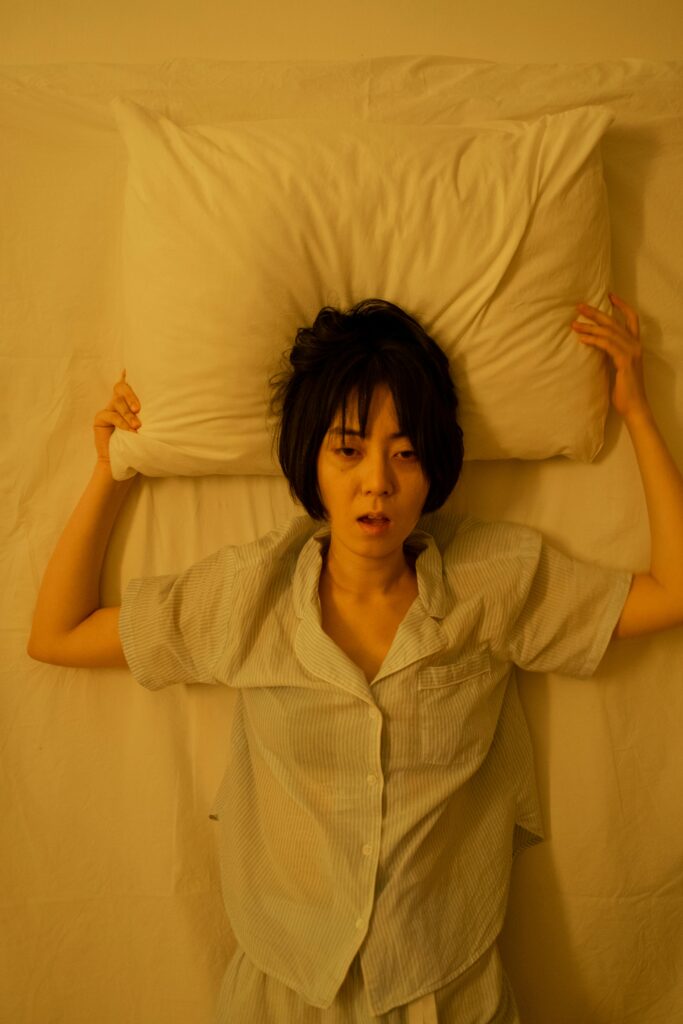
Block out light from alarms, screens, and street lighting
Light interruptions become more noticeable with age. Things you used to sleep through suddenly wake you, even if you don’t fully register it at the time.
Alarm clock displays, standby lights, and street lighting can all interfere with deeper sleep. Blackout curtains, covering small LEDs, or switching to softer displays are simple fixes that don’t require changing your whole routine.
Reduce background noise that interrupts light sleep
Sleep tends to get lighter, and noise that never used to bother you suddenly does. Traffic, household sounds, even a partner shifting position can chip away at rest across the night.
Some people find steady background noise helps smooth things out. Others just need to remove one or two persistent disturbances. It doesn’t need to be perfect. Just calmer than it was before.
Practical sleep tips for parents
Sleep doesn’t automatically improve once the kids grow up. It just changes shape. Making a few realistic adjustments and accepting that your sleep needs aren’t the same as they used to be can make nights feel a lot more manageable again.