

Confidence plays a huge role in how children experience school. A confident child is more likely to try new things, ask for help, and bounce back from mistakes — while a child with low confidence may shy away from challenges or doubt their abilities, even when they are capable.
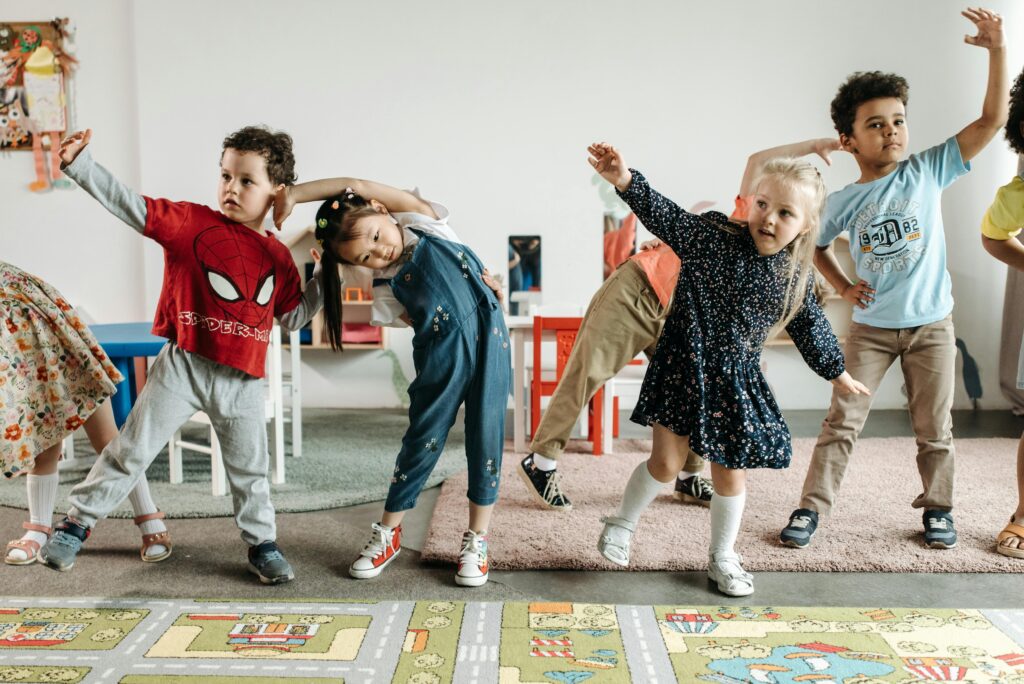
The good news is that confidence isn’t something children either have or don’t have. It’s something that grows over time, shaped by experiences, support, and encouragement. Here’s how you can help your child build confidence in the classroom and beyond.
Focus on Effort, Not Just Results
Children often link confidence to getting things “right.” While praise for success is important, confidence grows when effort is recognised too.
Try using phrases such as:
- “I’m proud of how hard you worked on that.”
- “You didn’t give up, even when it was tricky.”
This helps children understand that learning involves challenges and that mistakes are part of the process, not something to fear.
Encourage a Growth Mindset
Children who believe their abilities can improve with practice are more willing to take risks in learning. You can encourage this by normalising struggle and using language that emphasises progress.
Replace “I’m not good at this” with:
- “I’m still learning.”
- “I’ll get better with practice.”
Sharing your own learning experiences — including mistakes — can also help reinforce this mindset.
Support Independence at Home
Confidence in the classroom often starts at home. When children are trusted to do things for themselves, they develop self-belief that carries into school.
Give your child age-appropriate responsibilities, such as:
- Packing their school bag
- Choosing clothes
- Managing homework time with guidance
Resist the urge to step in too quickly. Allowing children to solve small problems builds a sense of competence and resilience.
Build Strong Communication Skills
Children who feel able to express themselves are more likely to participate in class and ask questions when they don’t understand.
Support this by:
- Encouraging conversation about their day
- Asking open-ended questions
- Helping them practise speaking up respectfully
Role-playing situations like asking a teacher for help or contributing to group work can make these moments feel less intimidating.
Help Them Develop Positive Relationships
Friendships and supportive peer relationships are closely linked to classroom confidence. Feeling accepted and included helps children relax and engage more fully in learning.
If your child is struggling socially:
- Listen carefully without rushing to solutions
- Encourage empathy and kindness
- Work with teachers if needed to support positive interactions
Knowing they have allies makes a big difference to how children perceive themselves at school.
Celebrate Strengths Beyond Academics
Confidence isn’t built on grades alone. Children need to know their value goes beyond test scores and worksheets.
Encourage activities that play to your child’s strengths — whether that’s sport, art, music, creativity, or helping others. Success in other areas can boost self-esteem that transfers into the classroom.
Keep Pressure Low and Expectations Realistic
Children are sensitive to adult expectations. While encouragement is helpful, too much pressure can undermine confidence.
Remind your child that doing their best is enough. Avoid constant comparison with classmates, siblings, or friends, and focus instead on personal progress.
Work in Partnership with Teachers
Teachers have valuable insight into how your child behaves and feels in the classroom. Regular communication can help identify confidence issues early and allow for consistent support between home and school.
Small strategies — such as seating arrangements, positive feedback, or gradual participation — can make a big difference over time.
Confidence grows slowly, through repeated experiences of trying, learning, and being supported. There will be good days and difficult ones — and that’s perfectly normal.
Your ongoing encouragement, belief, and reassurance provide the secure foundation your child needs to step forward with confidence.