

Rainy weather can cause serious problems for electric wire rope hoists. Moisture can lead to rust, electrical faults, and unsafe working conditions. To keep the hoist running smoothly in wet conditions, operators must protect key components, perform regular inspections, and follow proper maintenance steps before and after exposure to rain.
A well-maintained hoist not only prevents costly breakdowns but also keeps lifting operations safe and efficient. Proper lubrication, dry storage, and careful monitoring of the electrical system help reduce wear caused by damp environments. Therefore, a clear plan for maintenance and protection is important for any site that faces frequent rain.
This guide explains how to maintain electric wire rope hoists in rainy weather, protect components from moisture, and document maintenance to guarantee safety compliance. Each section provides simple, practical steps that make a real difference in performance and longevity.
Key Maintenance Practices for Electric Wire Rope Hoists in Rainy Weather
Moisture, dirt, and corrosion can shorten the lifespan of lifting equipment. Regular inspection, proper lubrication, and protection of electrical parts help keep an efficient electric wire rope hoist safe and dependable during wet conditions.
Daily Checks and Inspection Routines
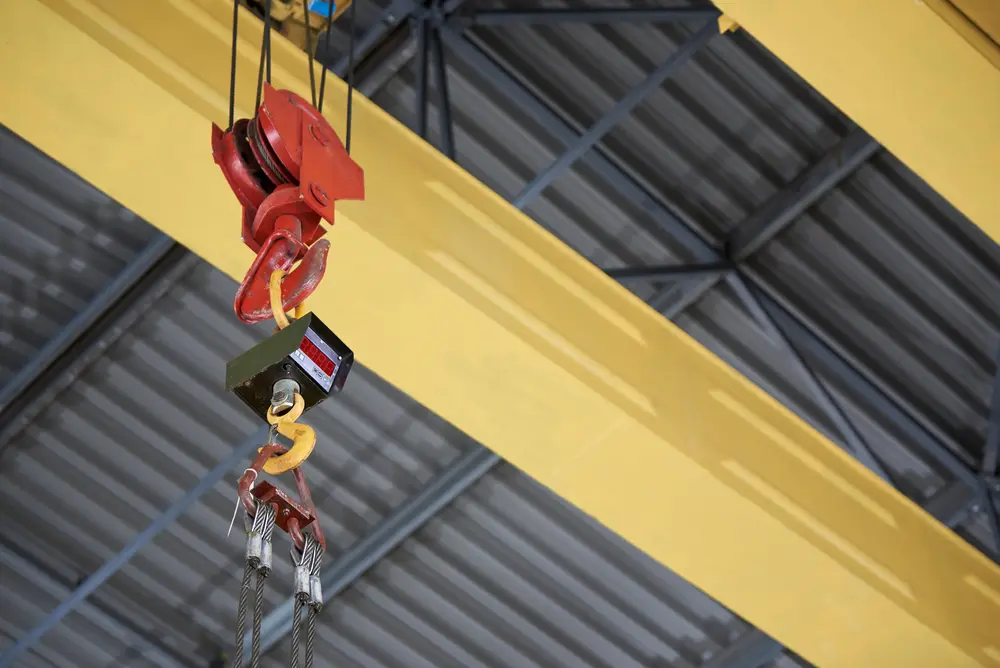
Operators should start each shift by examining the hoist for water exposure or rust. They should inspect the wire rope, hook, and drum for signs of moisture buildup or surface corrosion. Any frayed strands or loose fittings must be reported and replaced before use.
Control buttons and limit switches should respond smoothly. If water enters these components, it can cause erratic movement or short circuits. The operator should test all motions, like lifting, lowering, and horizontal travel, to confirm smooth operation.
Surfaces must stay dry. Wipe off any visible water before the next lift. Keeping a simple daily checklist helps track small issues before they become safety hazards.
Wire Rope Care and Lubrication
Rain and humidity can strip protective oils from the wire rope. Regular cleaning and lubrication prevent corrosion and extend service life. Operators should remove dirt and moisture using a clean cloth, then apply a light coat of manufacturer-approved lubricant.
Lubrication should reach the inner strands, not just the surface. Using a non-drip or dry lubricant helps reduce mess in damp environments. In areas with heavy rainfall, more frequent applications may be needed.
A dull or dry rope can indicate loss of lubrication. Keeping the rope clean and lubricated helps maintain a smooth lifting motion and prevents metal fatigue under load.
Protecting Electrical Components and Control Systems
Moisture inside electrical parts can cause short circuits or erratic signals. Operators should check that all covers, seals, and connectors remain tight. Rubber gaskets around control boxes and junction points should stay flexible and intact.
Pendant controls and remote units must be stored in dry enclosures after use. If a unit shows condensation inside, it should dry fully before the next operation. Electrical cables should not rest in puddles or hang near dripping surfaces.
Applying a light moisture-repellent spray on external connectors can help protect them from rain exposure. Regular inspection of insulation resistance also confirms that the system remains safe to operate.
Guaranteeing Safe Operation and Operator Training
Operators should understand how wet conditions affect traction, braking, and load handling. They must avoid lifting over people or near standing water. A slower lifting speed can reduce shock loading and improve control on slick surfaces.
Training should cover how to identify early signs of corrosion or electrical faults. Workers must know how to shut down the hoist safely if water exposure occurs.
Supervisors should review safety procedures during rainy seasons. Proper instruction and routine checks help maintain safe performance and reduce downtime caused by weather-related damage.
Component Protection, Record-Keeping, and Compliance
Proper protection of electrical and mechanical components reduces wear and prevents safety issues during wet conditions. Accurate records and compliance with inspection standards also help track performance, support warranty claims, and confirm that maintenance meets required procedures.
Limit Switches and Brake System Maintenance
Limit switches and the brake system must stay dry and responsive to prevent accidents. Rainwater can cause corrosion or short circuits in switches, so covers or sealed housings should block moisture. Operators should test each switch before use to confirm that lifting and lowering functions stop at the correct points.
The brake system must hold loads securely even in damp air. Rust on brake pads or discs can weaken stopping power, so parts should be cleaned and lightly oiled after exposure to moisture. Electrical brakes need insulation checks to confirm that wiring has not absorbed water. Regular inspection of contact points and springs helps detect early wear before it affects performance.
If the hoist operates outdoors often, technicians should schedule more frequent brake and limit switch inspections. This practice reduces the chance of slippage or unexpected load movement during wet weather.
Rope Guide and Hook Block Protection
The rope guide and hook block face direct water contact, which can accelerate wire rope wear or cause surface rust. A protective cover or tarp helps shield these parts during idle periods. After use in the rain, wiping down the rope guide and hook block prevents trapped moisture from corroding metal surfaces.
Lubrication also plays a key role. A thin layer of approved oil or dry lubricant on the rope guide prevents friction and rust. The hook block’s latch should move freely and lock securely. If grit or water collects inside, it should be cleaned immediately to avoid jamming.
Technicians should inspect the wire rope where it passes through the guide. Frayed strands or flattened sections often indicate poor alignment or contamination. Addressing these signs early prevents further wear and extends rope life.
Maintenance Log, Warranty Claims, and Documentation
Accurate documentation supports safe operation and compliance with inspection standards. Each hoist should have a maintenance log that records inspection dates, lubrication schedules, and part replacements. This record helps identify recurring issues and confirms that work follows manufacturer guidelines.
Detailed entries also protect warranty coverage. If a component fails, proof of regular maintenance can support a warranty claim and reduce replacement costs. Missing or incomplete records may lead to denied claims.
Technicians should record all adjustments to limit switches, brake settings, and wire rope replacements. Notes on weather conditions during maintenance can also help identify patterns of moisture-related wear. Keeping records organised and accessible allows supervisors to verify compliance with safety and maintenance requirements.
Conclusion
Regular checks, proper lubrication, and dry storage help the electric wire rope hoist stay in good shape during wet weather. Operators should inspect electrical parts for moisture and confirm that all safety switches and brakes work correctly before use.
Protective covers or enclosures reduce exposure to rain and humidity. This simple step helps prevent rust and electrical faults that may shorten the hoist’s service life.
Clear maintenance records and trained operators also make a difference. They allow quick detection of faults and safer operation in damp conditions.
By following these steady habits, the hoist can perform safely and dependably even in rainy environments.